In the 1980s, as a young man, you weren't a fan of Doe Maar. At least, I didn't know them. Doe Maar was for young girls who wore green/pink buttons of Ernst Jansz and Henny Vrienten. The young female fans inadvertently also brought about the end of Doe Maar in 1984. Only then did I find the peace to calmly listen to their music, and I found it infectiously enjoyable. By now, I sing along loudly to all the songs. Who would have ever expected that?
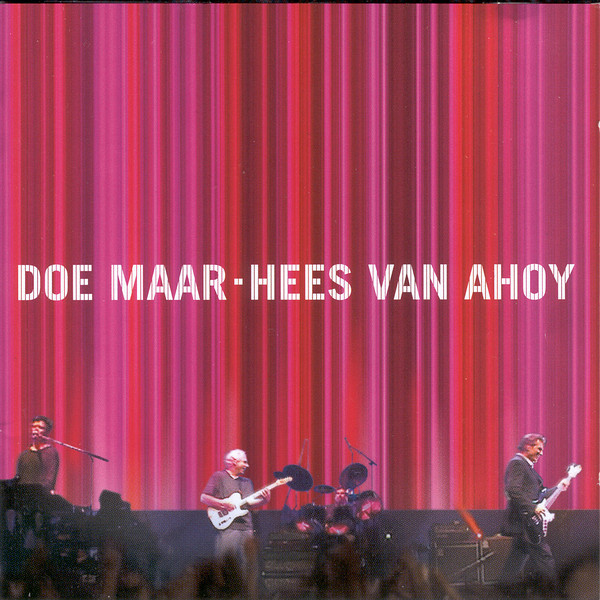
On 1 November 1999, Doe Maar announced a one-off reunion. This resulted in 2000 in an album, Klaar, and sixteen performances at Ahoy Rotterdam. I believe I was at the fourth show. What a party, truly. All of Ahoy sang along with Doe Maar, from the first to the last song. From that moment on, Doe Maar was back and they relied on the repertoire from their earlier years (and rightly so, they got paid for it).
Doe Maar
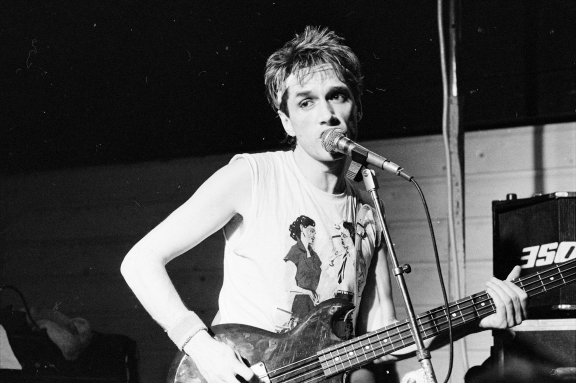
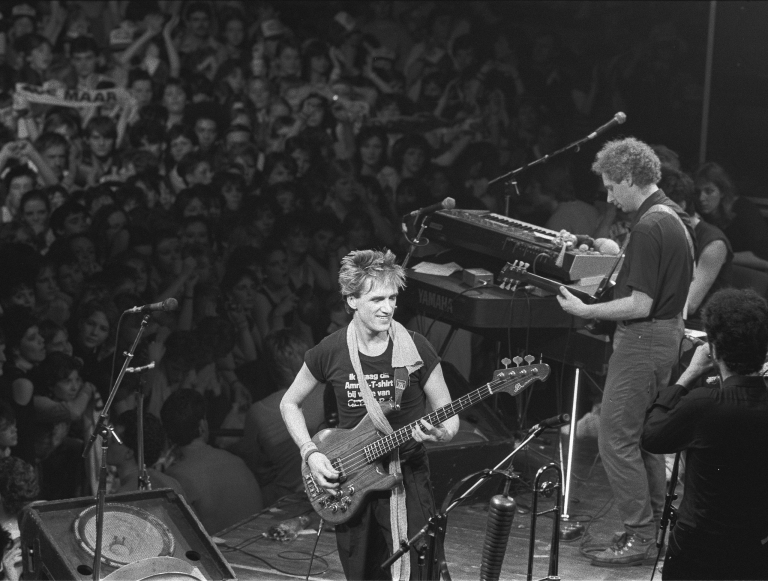
Doe Maar is a Dutch pop group that combined influences from ska, punk and reggae into their own Nederpop sound. The band originally existed from 1978 to 1984. Their success with predominantly young fans and the ecstatic audience reactions, especially from young teenage girls, often led to comparisons with Beatlemania. Since their first reunion in 2000 (with a new album), Doe Maar occasionally come together for concert series (2008, 2012, 2013, 2016–2017, 2018-2019 and 2020).
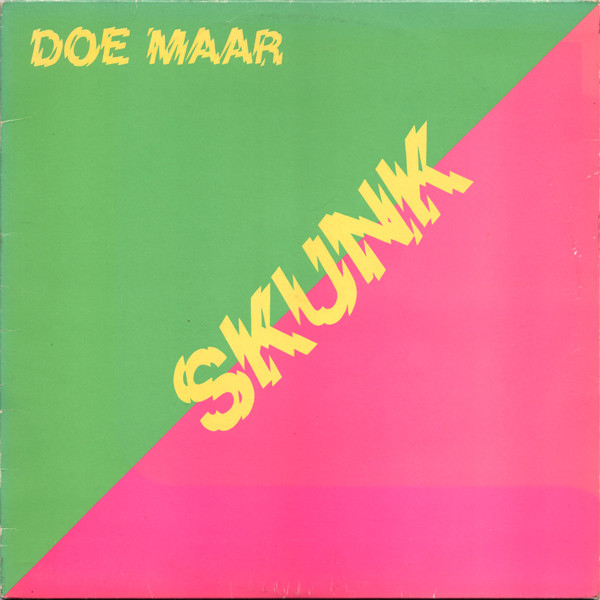
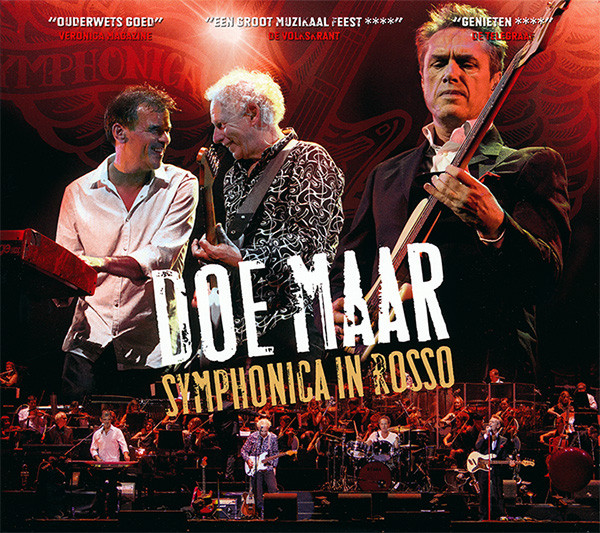
After the moderately received debut Doe Maar (from 1979, still without Henny Vrienten), all four of their regular studio albums reached number 1 in the Dutch album charts. Over the years, eight different compilation albums, three live albums and a studio album with new versions also made the charts, of which the live album with a large orchestra Symphonica in Rosso (2012) also reached number 1 again. This makes Doe Maar one of the most successful Dutch-language groups.
The first lineup from June 1978 was Ernst Jansz, vocals and keyboards; Jan Hendriks, guitar; Carel Copier, drums; and Piet Dekker, vocals and bass guitar. Joost Belinfante (ex-CCC Inc. and Slumberlandband) temporarily played bass guitar between February and August 1980. After he was replaced by Henny Vrienten, he still played trombone and percussion as a guest musician.
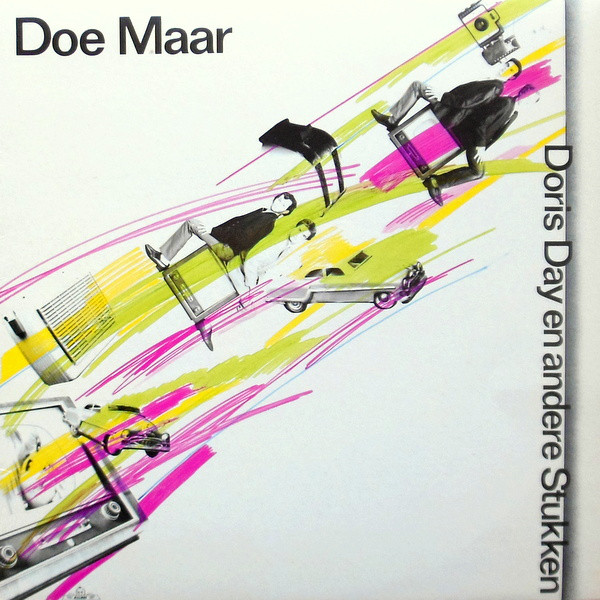
During the recordings of the album Doris Day en andere Stukken (November/December 1981), Carel Copier was replaced by René van Collem, ex-Stock and son of film critic Simon van Collem. In May 1982 he was dismissed from the band in favour of Jan Pijnenburg (ex-Sweet d'Buster, Fontessa, Lucifer, Long Tall Ernie and the Shakers and Hollander). However, shortly after his first performance, he had a car accident and could not drum until January 1983, after which Van Collem was called back. The lineup Vrienten-Jansz-Hendriks-Pijnenburg remained from 1983 until the farewell concert on 14 April 1984 and again at the reunions of 2000 and 2008. This is in fact the most well-known formation, although Pijnenburg only played on the live albums from the 1980s and on the reunion album Klaar from 2000. At the Symphonica in Rosso concerts in October 2012 at the Gelredome and the 'Glad ijs tour' of early 2013, Van Collem returned as drummer. At the end of 2018, Doe Maar celebrated their 40th anniversary with the club tour 'Er verandert NIX'.
Passing of Henny Vrienten
On 22 September 2021, the planned farewell tour of Doe Maar was cancelled due to an ill Henny Vrienten. No details were given about the nature of the illness. Since no new dates were announced, it quickly became clear that things were probably very serious.
"Henny and the other Doe Maar members, as well as the crew and of course all the fans, were really looking forward to the farewell tour," said a brief statement. "We all regret that the tour cannot go ahead and wish Henny a speedy recovery and strength." Three weeks earlier, Vrienten had posted on Instagram that he was counting down the weeks. 'We're coming!', he wrote alongside a selfie of the band members and the crew. A month ago, the singer uploaded a video in which he sang to Prime Minister Rutte. 'We're going on tour, yay! I'm practising my fingers blue,' he sang while accompanying himself on guitar.
Vrienten also said he no longer believed in religion. "I don't believe in an afterlife. I see the end of life as a light switch; it gets pressed and it's black. That your spirit would leave your body; I'm afraid I can't believe in that."
And then on 25 April 2022 came the terrible news of Henny's passing. No cause of death was reported. "He was a wonderful, loving father and husband; a wise, erudite man with a razor-sharp sense of humour and language," his family said. The funeral will take place in private. The family asks for peace and privacy and will make no further statements.
Henny Vrienten 27-07-1948 | 25-04-2022
Top 2000
In the 23rd edition of the Top 2000, Doe Maar is listed with the following entries:
Sunday Morning Classic
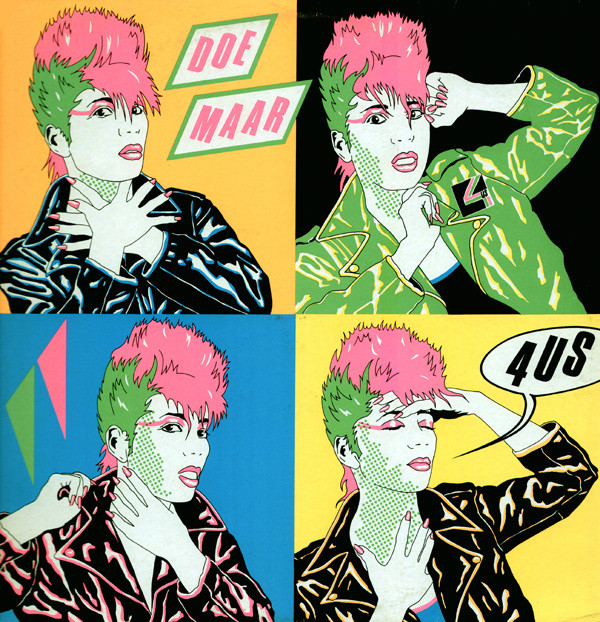
On 18 August 2019, the album 4US was played during our Sunday Morning Classics.
The 1983 album is considered their most successful. Their fourth studio album was recorded in 1982 within two months at Johnnie Hoes' Telstar studio in Weert. Before the album was released in stores, it had already gone double platinum due to the high number of pre-orders. The unique thing about '4us' (pronounced: Virus) is not only that it is Doe Maar's greatest success, but besides being released on LP, it also appeared on compact cassette and – a first for a Dutch band – on CD.
'4us' first entered the album charts on 26 March 1983 and quickly rose to first place. At the time the album was released, the band was already incredibly popular. This "Doe Maar craze" got so out of hand that especially Ernst Jansz and Henny Vrienten could no longer walk the streets unscathed. As a result of this craze, the Doe Maar members had a lot of difficulty dealing with their popularity.
Because drummer Jan Pijnenburg had not yet fully recovered from the effects of a car accident, he was temporarily replaced by René van Collum for the recordings of '4us'. The first single from the album, 'Pa', rose to the top position of the charts within two weeks, where it stayed for over two weeks. 'Pa' was Doe Maar's second number one hit, and also their last. After the release of '4us', sales went very well, but after a while, parents started returning the album to record stores. The reason was the titles and lyrics of some songs, including 'Heroine' and 'Je loopt je lul achterna'.
As mentioned, René van Collum was the replacement for Jan Pijnenburg during the recordings of '4us'. Shortly after the album's release, Van Collum decided to quit due to depression caused by the success. Doe Maar decided to stay out of the public eye, no more interviews were given, and due to the enormous interest from the press, the band was in danger of collapsing. After recording their fifth album, the men of Doe Maar decided to stop.
By Jan Liebregts
Photo: Rob Bogaerts / Anefo and Fotopersbureau De Boer