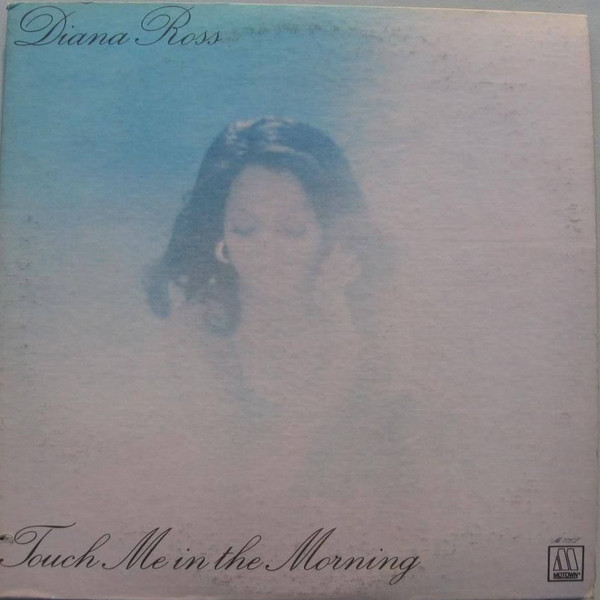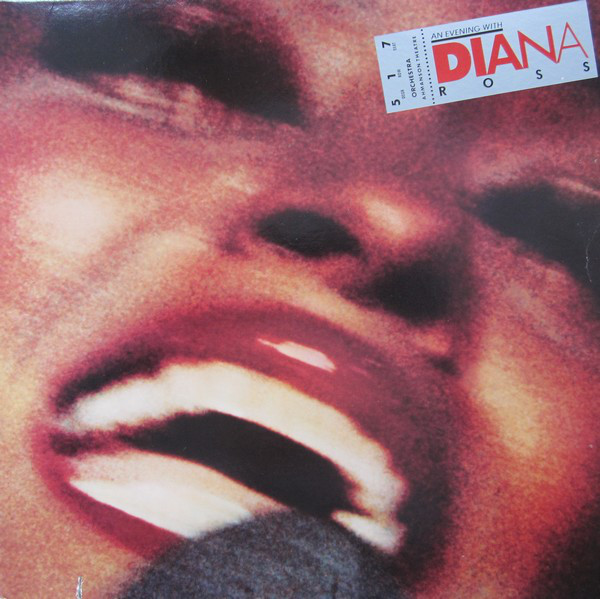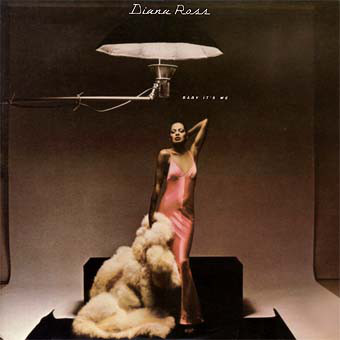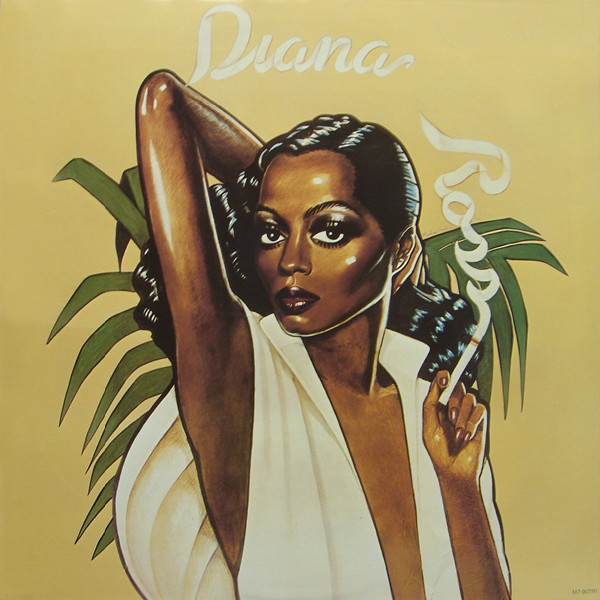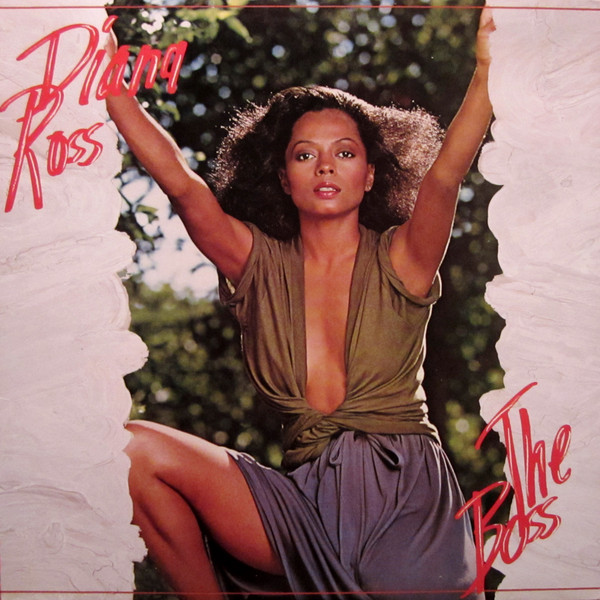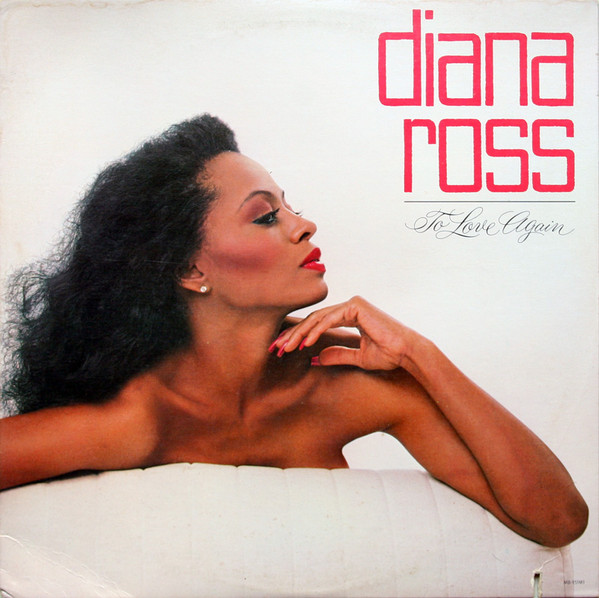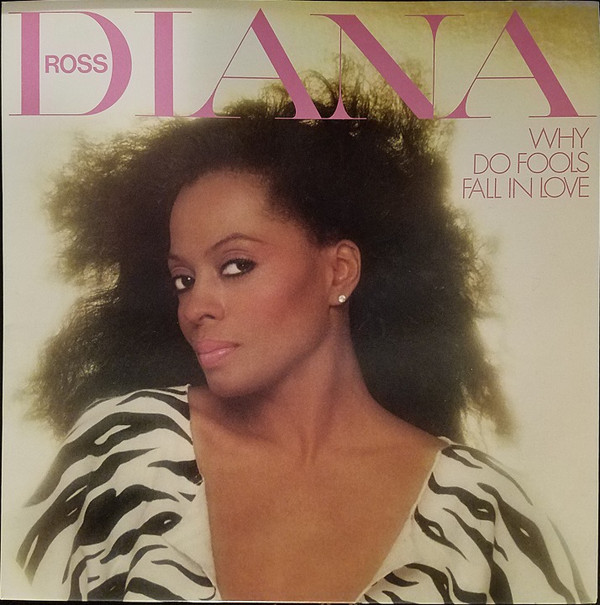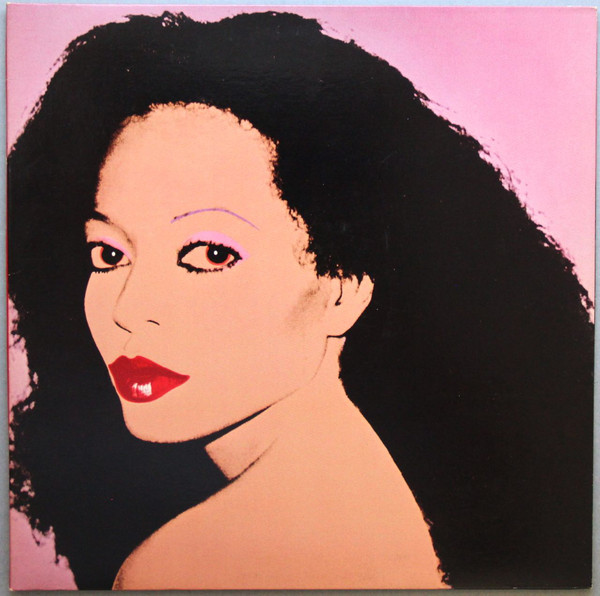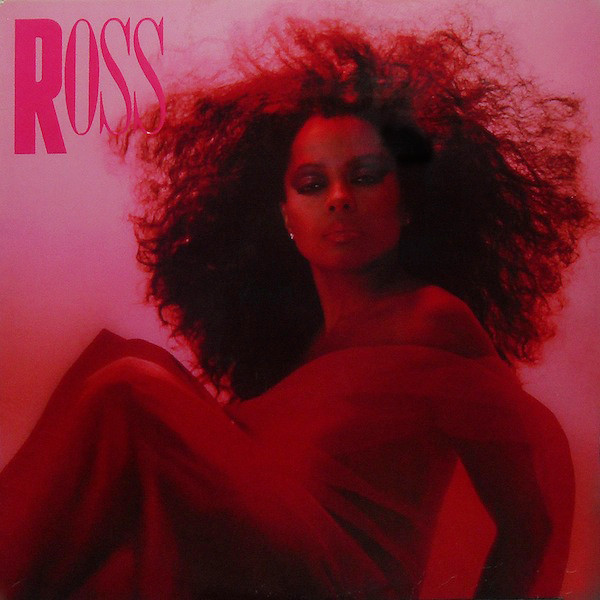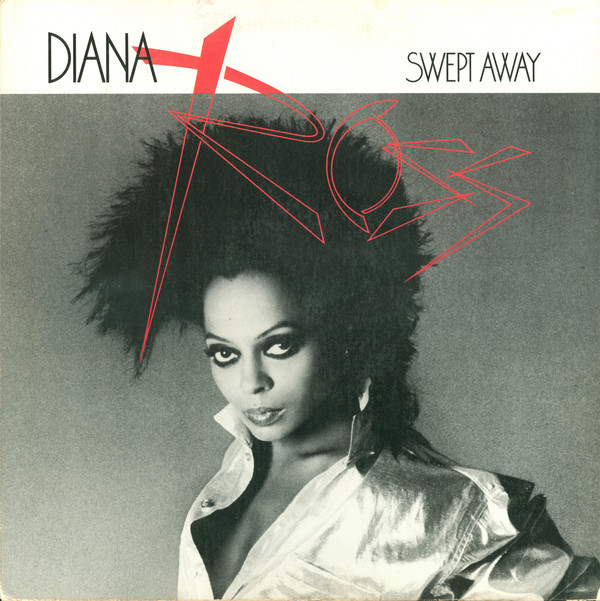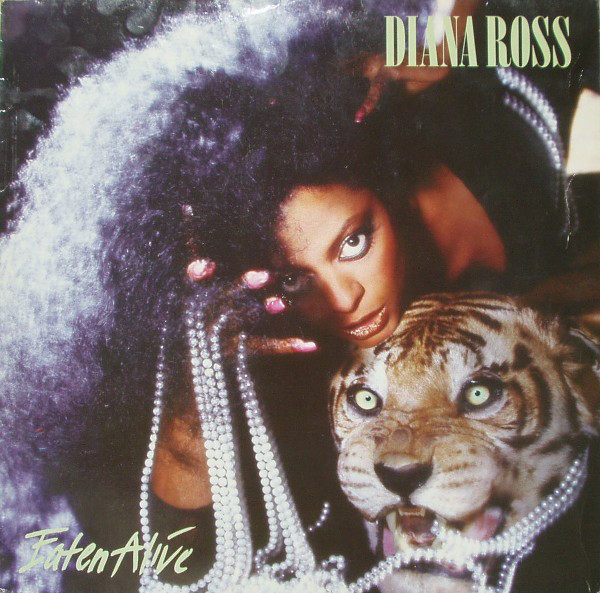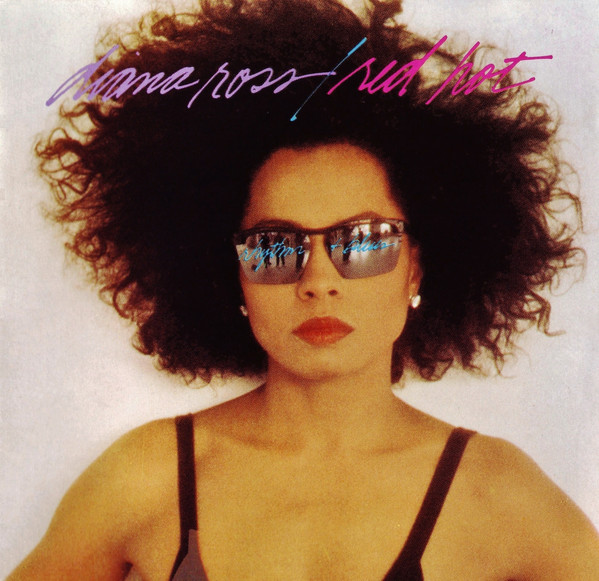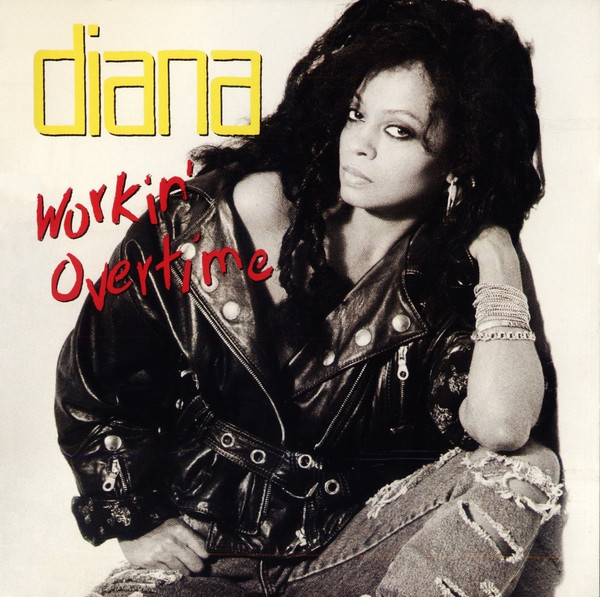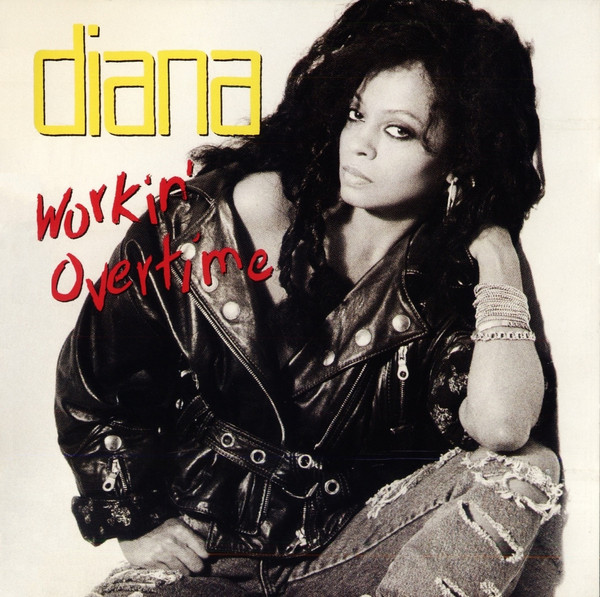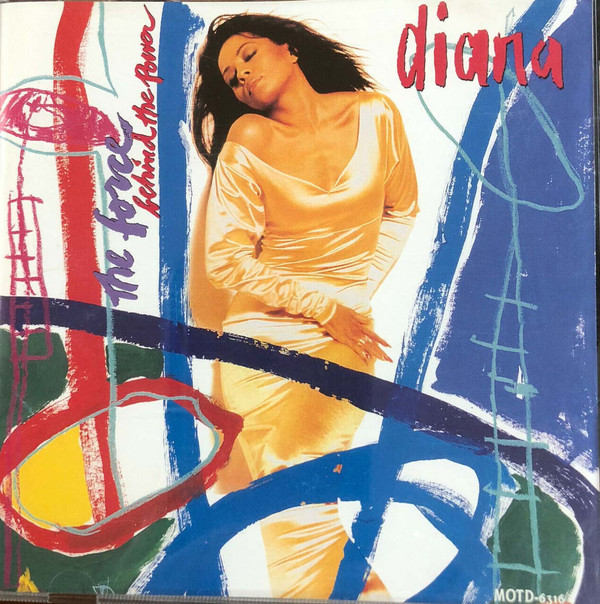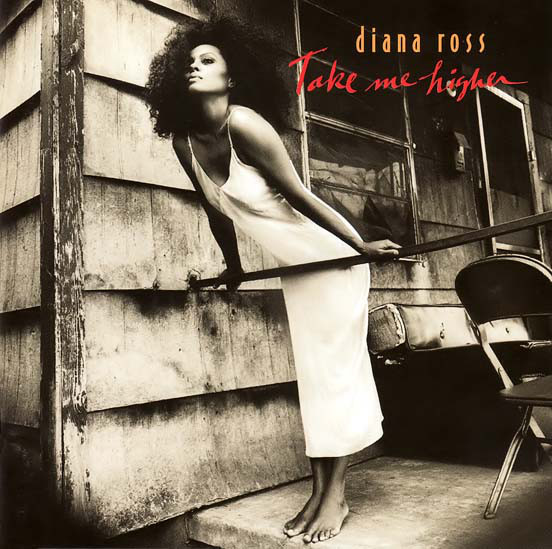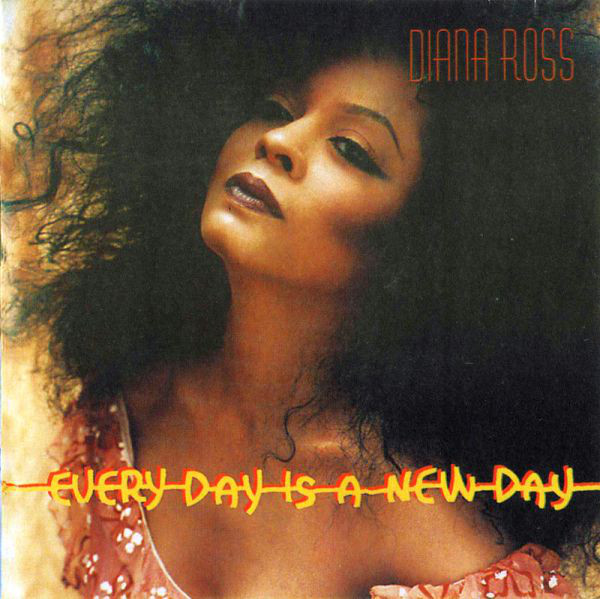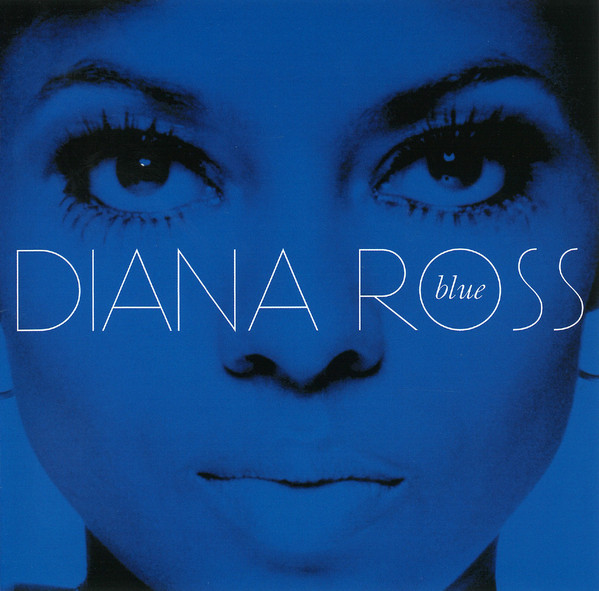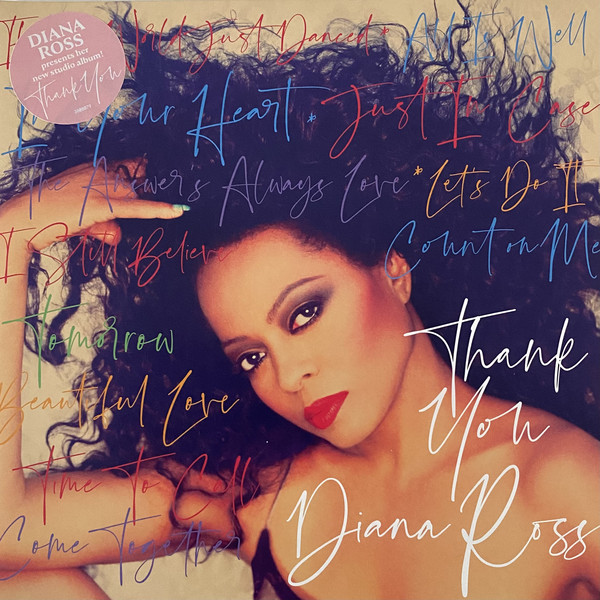
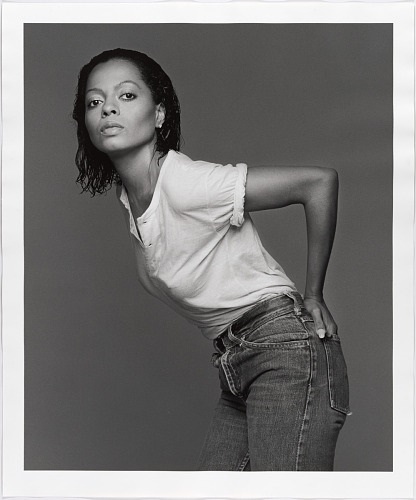
Diana Earle Ross was born on 26 March 1944 in Detroit, Michigan. Her name was incorrectly recorded at the civil registry, as it should have been Diane. Later she changed her name to Diana, but in the early years she went by the name with an 'e'.
Motown
At fifteen, she formed the band The Primettes Vocal Quartet with Mary Wilson, Barbara Martin and Florence Ballard. Detroit is the home of Motown Records, and it didn't take long before the ladies were offered a record contract. In 1960, they signed the contract and the following year changed their name to The Supremes.
Supremes
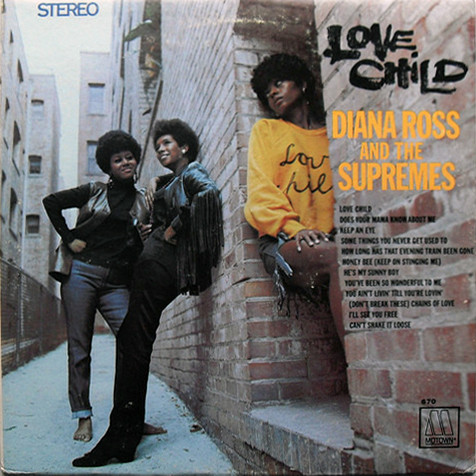
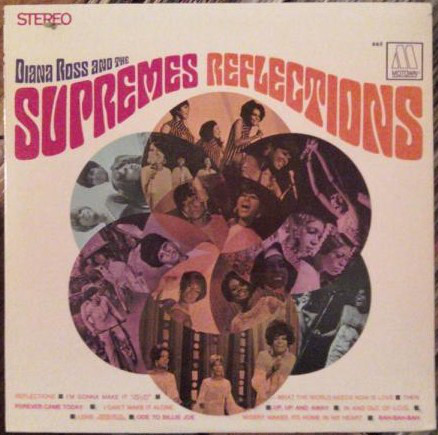
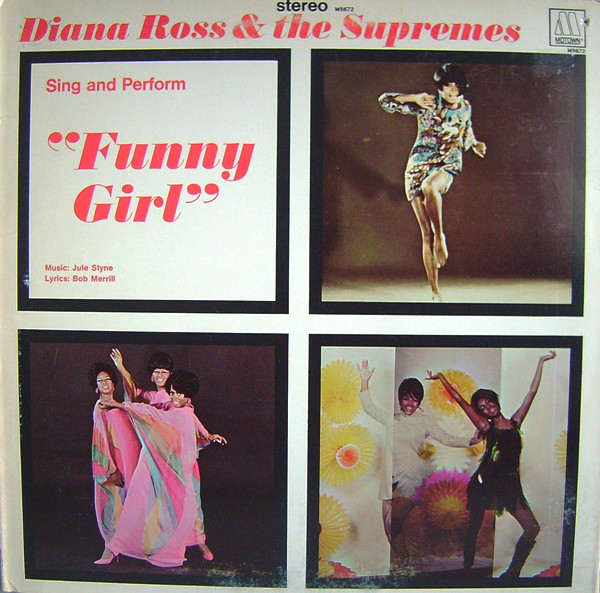
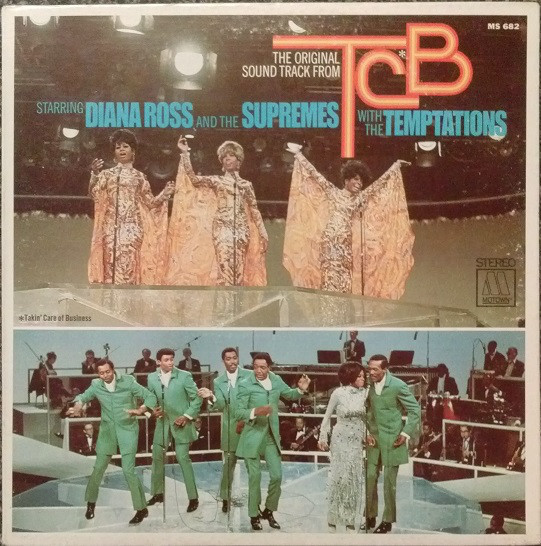
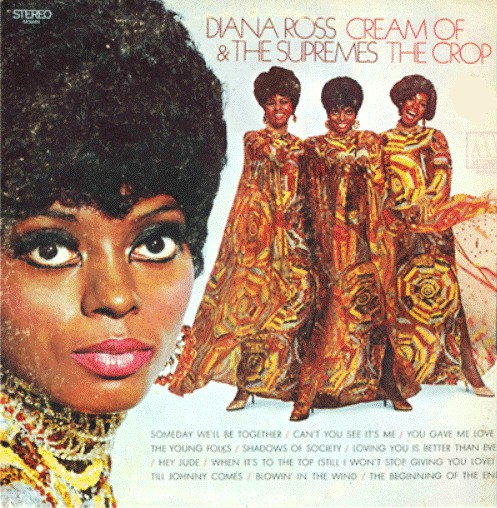
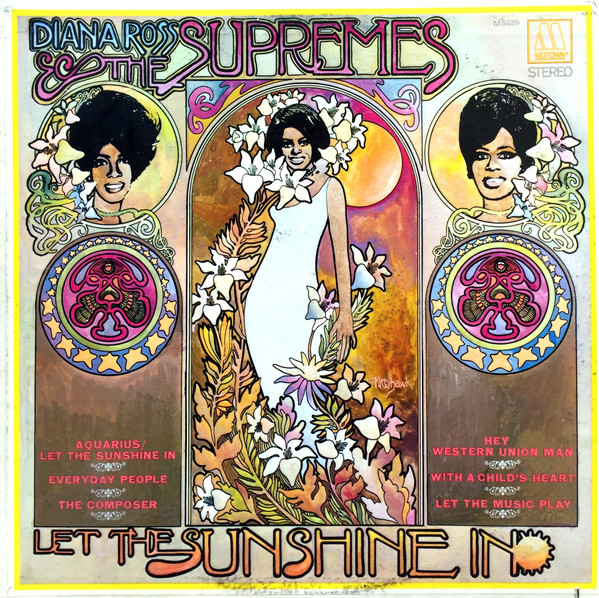
Barbara Martin left the band after their first single, reducing the quartet to a trio. The Supremes were mainly a girl group, but as their success grew, Diana Ross increasingly took centre stage. They scored hits including 'Baby Love', 'Stop! In The Name Of Love' and 'Come See About Me'. In 1967, the name changed to Diana Ross & The Supremes.
Solo
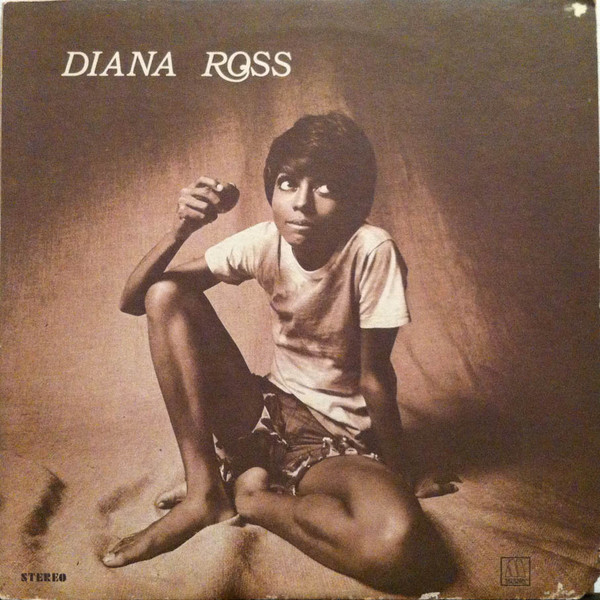
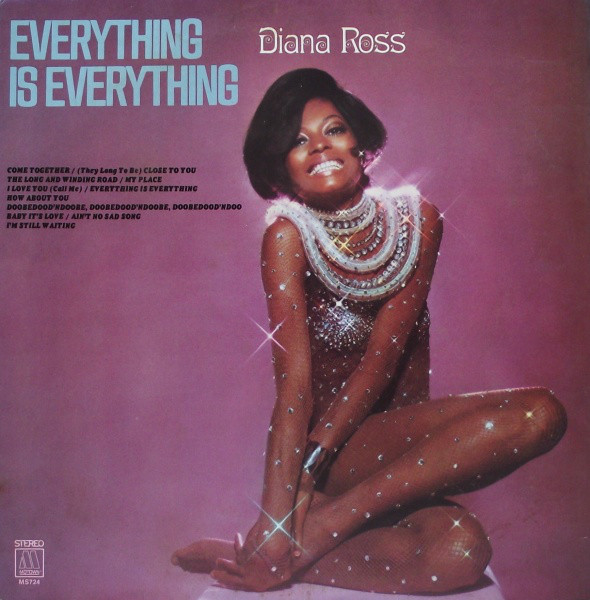
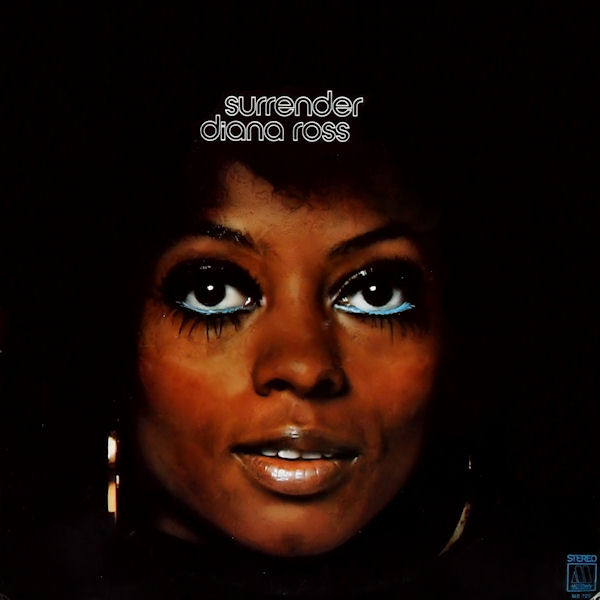
In 1969, Diana left The Supremes to start a solo career. The remaining Supremes continued, but disbanded eight years later. Diana's self-titled debut album was released in 1970.
Acting
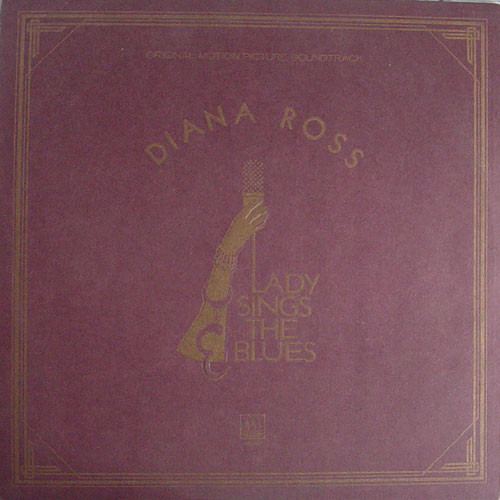
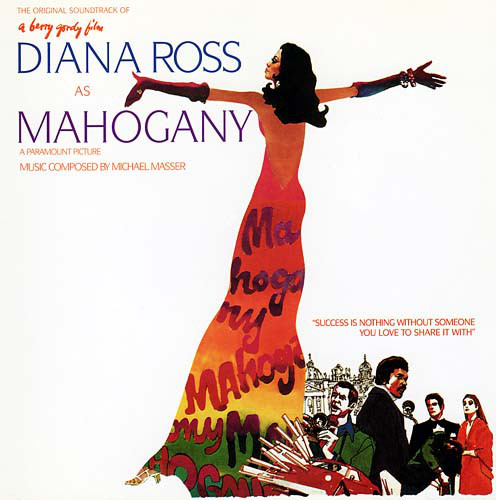
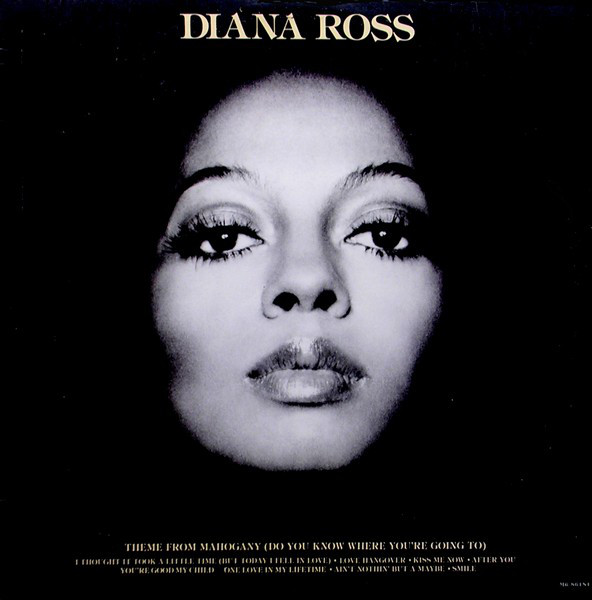
Alongside her musical career, Diana also made her mark as an actress in the film Lady Sings The Blues, about Billie Holiday. She did this quite successfully, as she was nominated for an Oscar. For the second film she starred in, Mahogany, she provided the soundtrack 'Do You Know Where You're Going To'. This song also appeared on her second solo album Diana Ross.
The Wiz
Diana played the role of Dorothy in The Wiz from 1978; the story about the girl Dorothy who stays with her uncle and aunt in Kansas with her dog Toto, and then embarks on an exciting adventure in Oz. Michael Jackson played the Scarecrow and together they sang the song 'Ease On Down The Road'. Along with 'Brand New Day', this is the best-known song from the film.
Love
Her marriage to Bob Ellis, with whom she had two children, ended in 1977. In the early 1980s, Diana had a brief relationship with Gene Simmons of Kiss. There was also speculation about a possible relationship with Michael Jackson, but no proof was ever provided. She did have success with the song 'Muscles', written by him.
Declining eighties
The success she enjoyed in the sixties and seventies declined during the eighties. However, she scored her biggest international hit in 1981 with the duet 'My Endless Love', which she sang with Lionel Richie. Apart from that, she released almost no new material during this period. Her concerts, however, were notorious, such as the one she gave in Central Park during a severe storm.
Widow
In 1991, she released another international hit with 'When You Tell Me That You Love Me'. From 1985 to 2000, Diana was married to Norwegian businessman Arne Næss Jr., with whom she also had two sons. Næss died in 2004 in an accident in the South African mountains.
Symphonica in Rosso
In 2009, Diana Ross performed in the Netherlands for the concert event Symphonica in Rosso.
Diana (fortunately) doesn't know when to stop
In 2022, a considerable number of concerts are planned again.
Top 2000
In the 23rd edition of the Top 2000, there are no longer any entries for Diana Ross.
Sunday Morning Classic: Diana
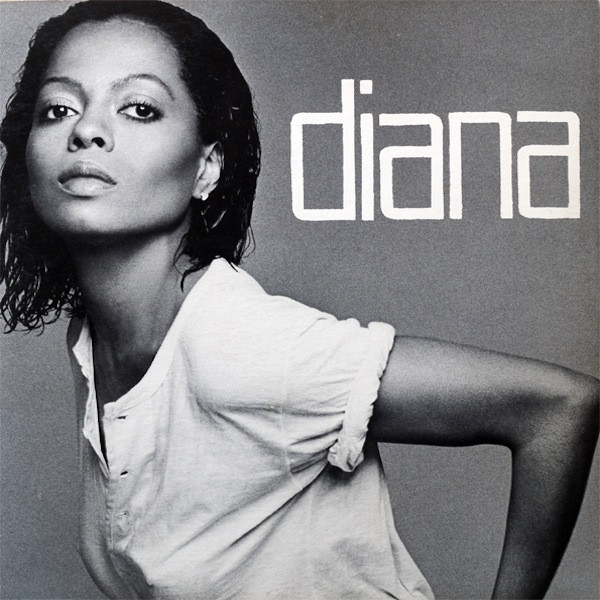
On 27 March 2022, Diana was our guest for Sunday Morning Classic with the album Diana.
Under the inspiring leadership of Bernard Edwards and Nile Rodgers of Chic, Diana Ross made her best album to date: Diana. The LP Diana became a huge worldwide sales success and reached number one on the album charts in many countries. It was not only a financial but also an artistic success. Producers Bernard Edwards and Nile Rodgers gave Diana Ross more space than she had ever had before and added their own enormous talent as musicians, composers and producers, resulting in a final product of very high quality. Only Diana Ross's self-titled solo debut from 1970 comes close in quality. All the songs on the album were written by Bernard Edwards and Nile Rodgers.
If you find the Chic influence strong here, you should listen to the Deluxe Edition of this album. It contains the complete original version of the album as it was first recorded by the gentlemen of Chic with Diana. Motown was not very happy with this and the recordings were subsequently reworked for some time, resulting in the final album.
I'm Coming Out
When Nile Rodgers wrote the song ‘I’m Coming Out’ for Diana Ross, the singer had no idea how the title could be interpreted. It has since become a queer anthem heard annually at every Pride event. Rodgers explains how he came up with the theme of the song.
I'm coming out
I want the world to know
Got to let it show
I'm coming out
I want the world to know
I got to let it show
Most people can probably recite these lyrics by heart. Since its release in 1980, the song has become one of the best-known queer anthems worldwide and still frequently appears at Pride events.
Impersonators
In an interview with the New York Post, Nile Rodgers recalls the song. He had often said he was inspired when he saw three Diana Ross impersonators performing in a New York club, the GG Barnum Room, which was mainly frequented by transgender people.
At that time, Diana Ross was trying to break free from the yoke of Berry Gordy and his Motown record label. She was looking for a new sound and wanted to reach a new, younger audience. Nile Rodgers was then the producer du jour, scoring hits with his own Chic (‘Le Freak’, ‘Good Times’) and writing classy classics for Sister Sledge (‘We Are Family’).
Upside down
Because they felt Diana Ross should be more than just the latest disco queen, Rodgers and his partner Bernard Edwards spent two days with the singer. Ross said she wanted to turn her career completely upside down, which literally led to the lead single of the simply titled Diana album: ‘Upside Down’.
The second single was ‘I’m Coming Out’. Nile Rodgers recalls seeing a group of people dressed as Diana Ross in the toilets of GG’s Barnum Room. “A light suddenly went on in my head,” Rodgers says. “I went outside and called Bernard from a phone booth. I asked him to write down the words ‘I’m Coming Out’ for me and said I would explain later why.”
Coming out
Diana Ross loved the song from the start, says Rodgers. She was about to come out of her shell for good but had no idea what other connotations the lyrics had. “She had no idea it was something queer, that people used these lyrics to come out.”
When influential DJ Frankie Crocker played the song on his radio station WBLS, he thought Diana Ross herself had come out as gay. Rodgers convinced Ross that the song was nonetheless written for her. “You can literally open all your shows with this for the rest of your career,” he told her. “I said, Diana, this song will be your coming-out song. You are our black queen and I supported that on the record with an extended trombone solo. I explained to her that this is like a president coming out and the song ‘Hail To The Chief’ starting to play.”
Less enthusiastic
Ross herself was initially less enthusiastic. She thought Rodgers and Edwards made it sound too much like Chic and took the master tapes back to Motown to have the music remixed there. Later, Ross made up with Rodgers and Edwards. A deluxe re-release of the Diana album in 2003 included the original mix by the gentlemen as a bonus track.
source: NPO and Wikipedia photo: album cover Diana (Motown)