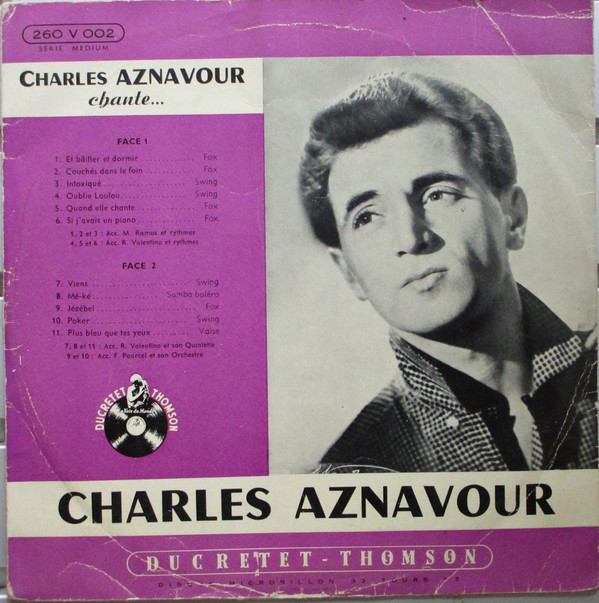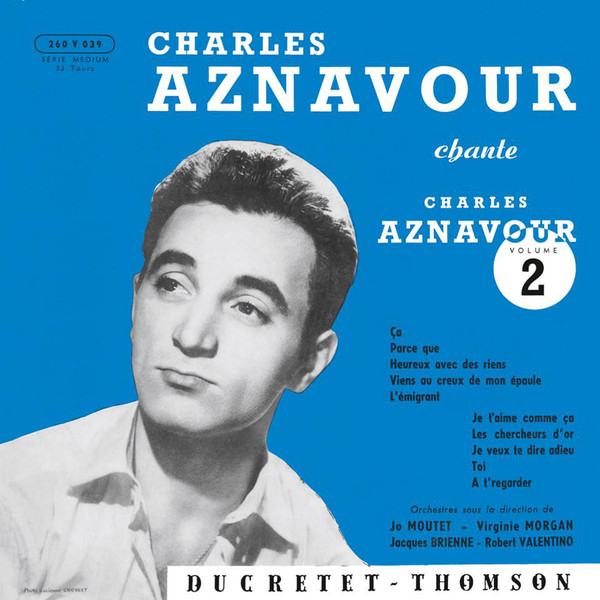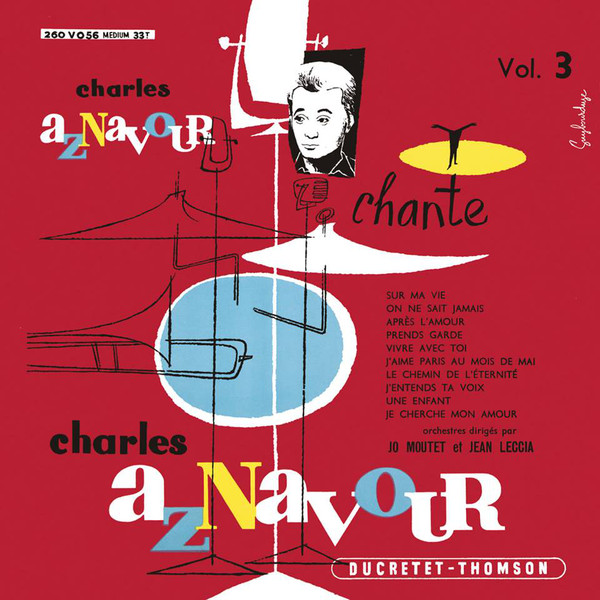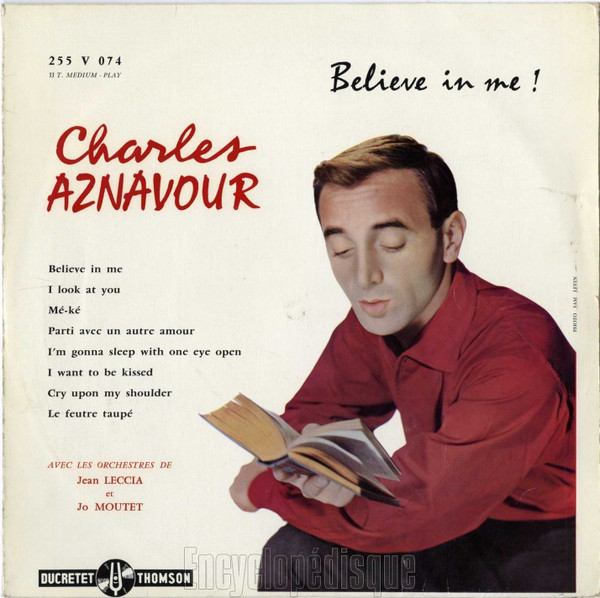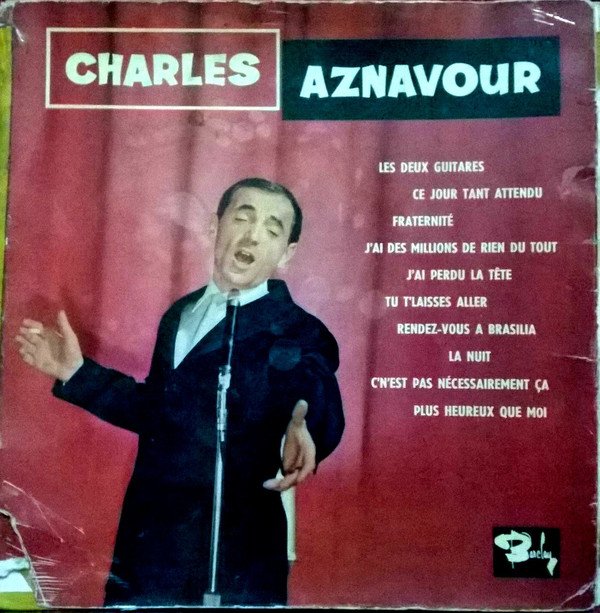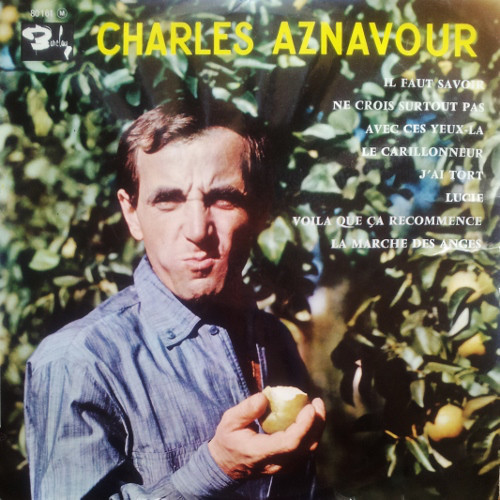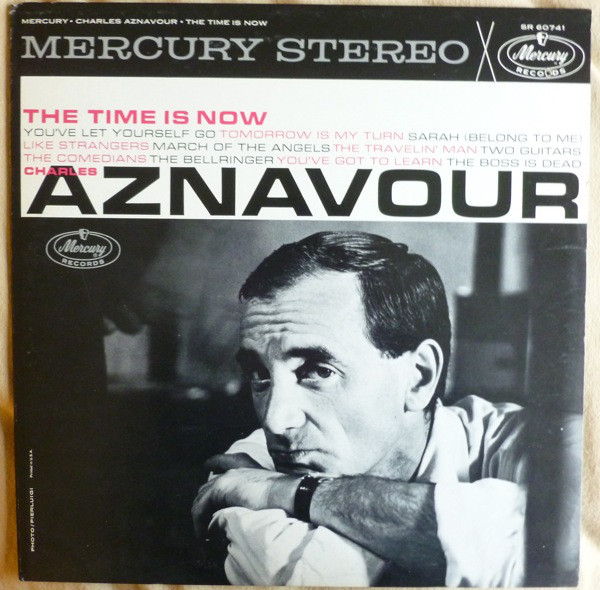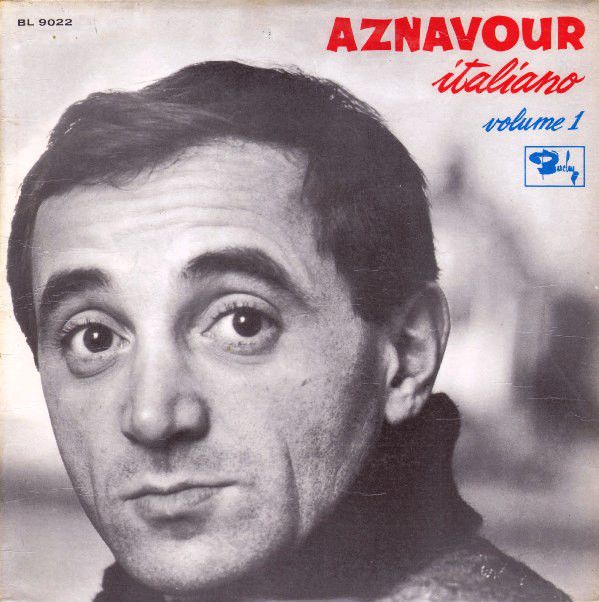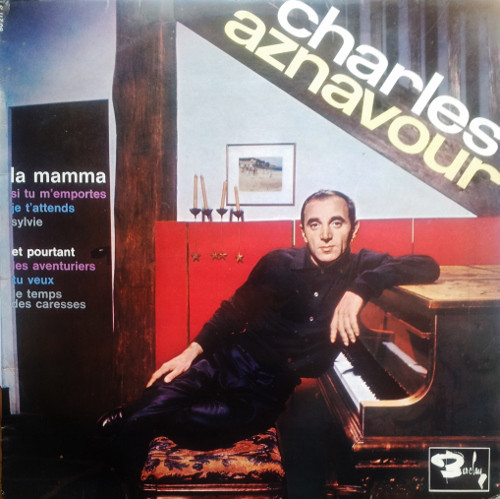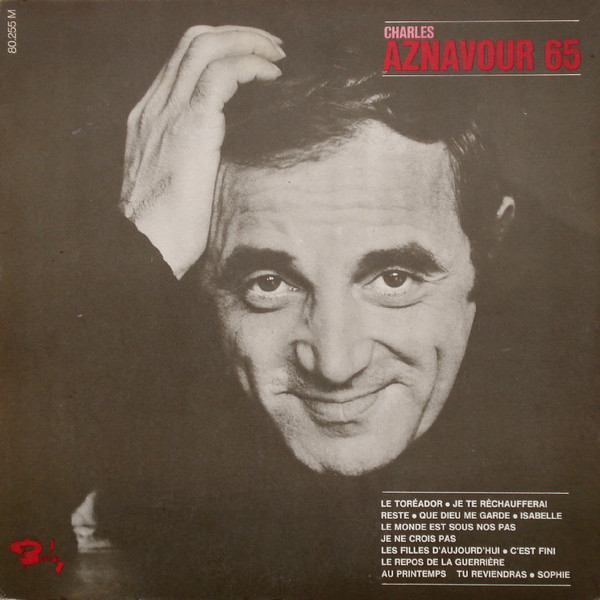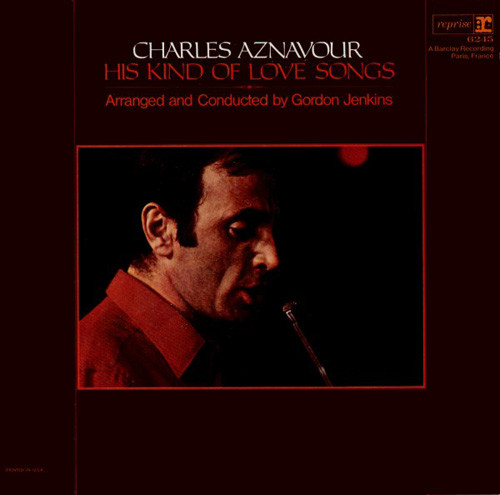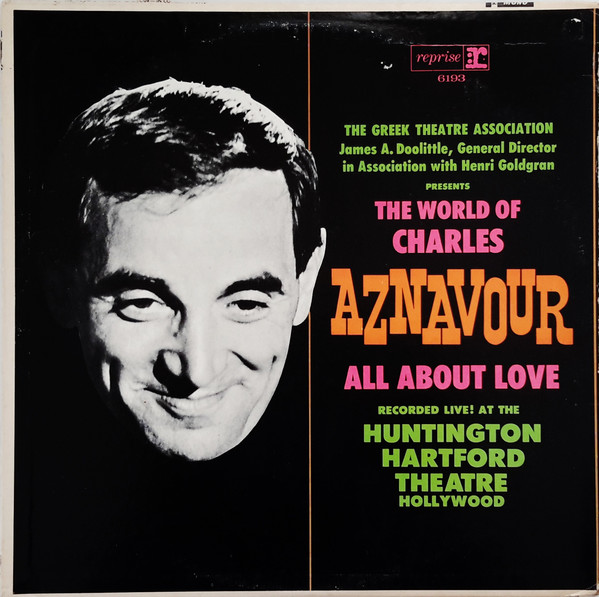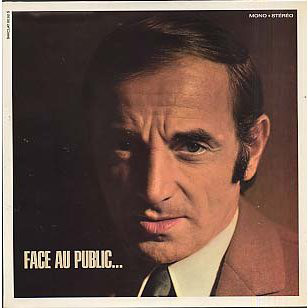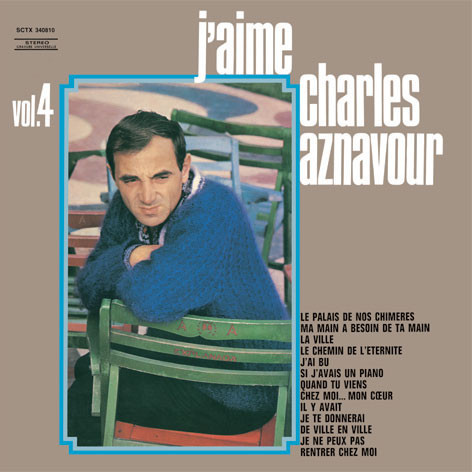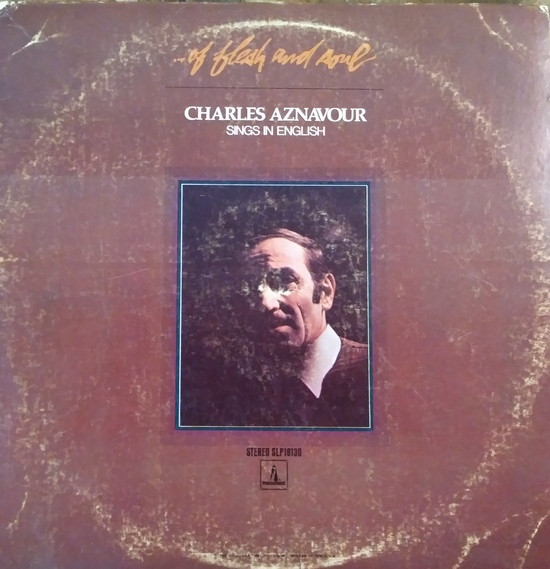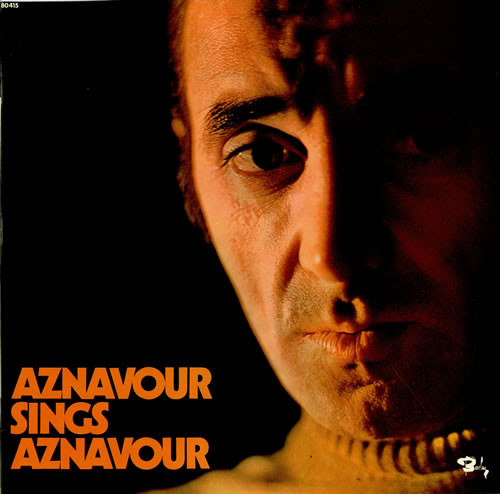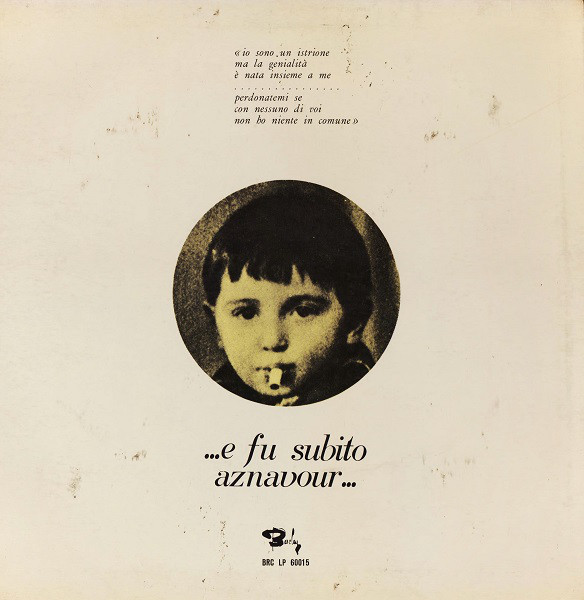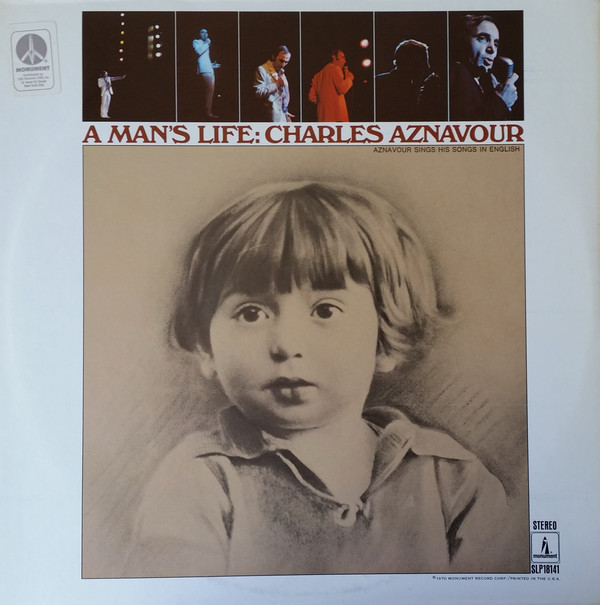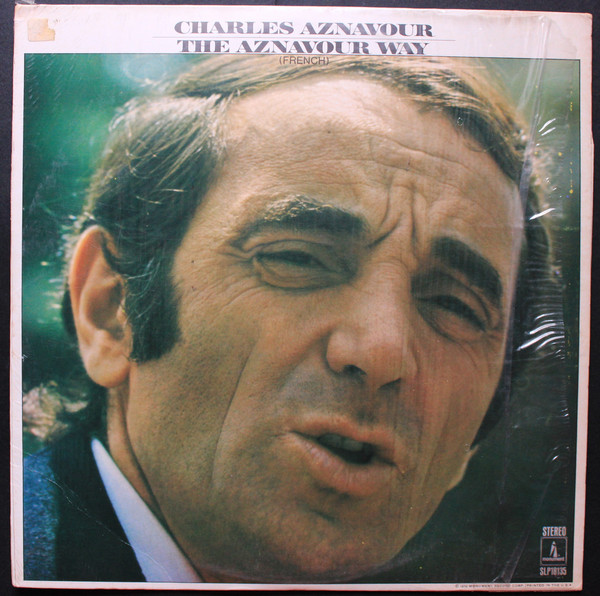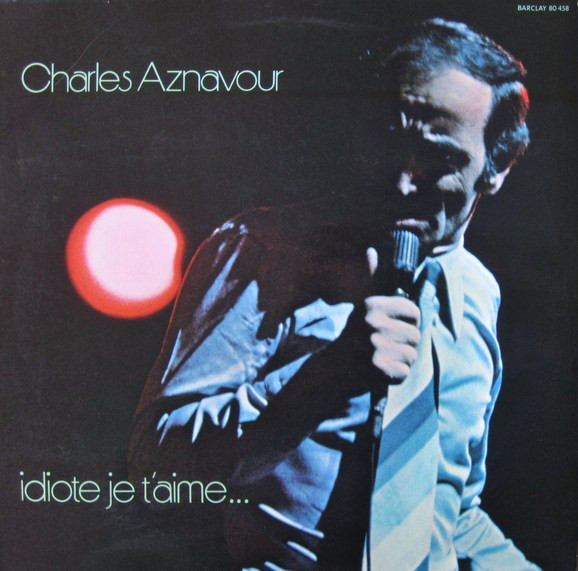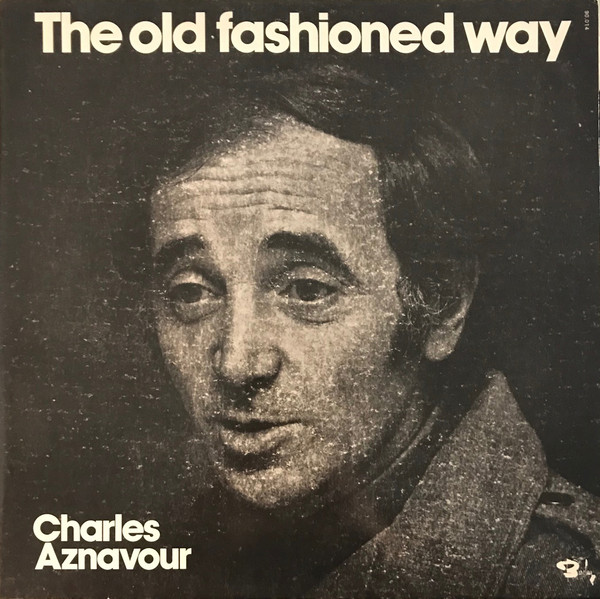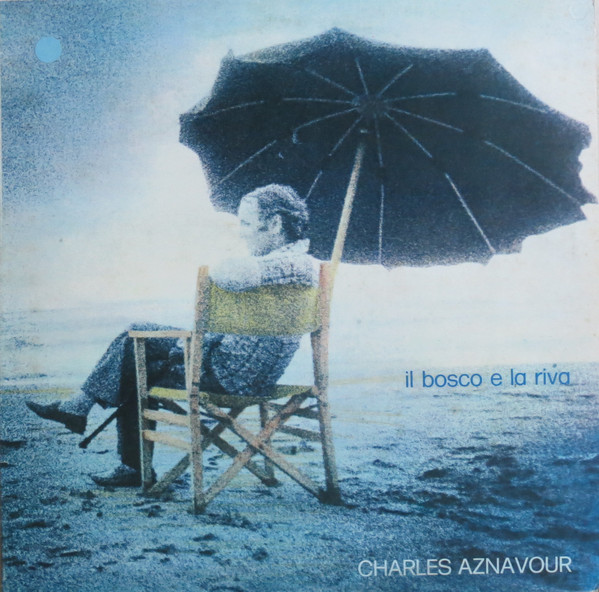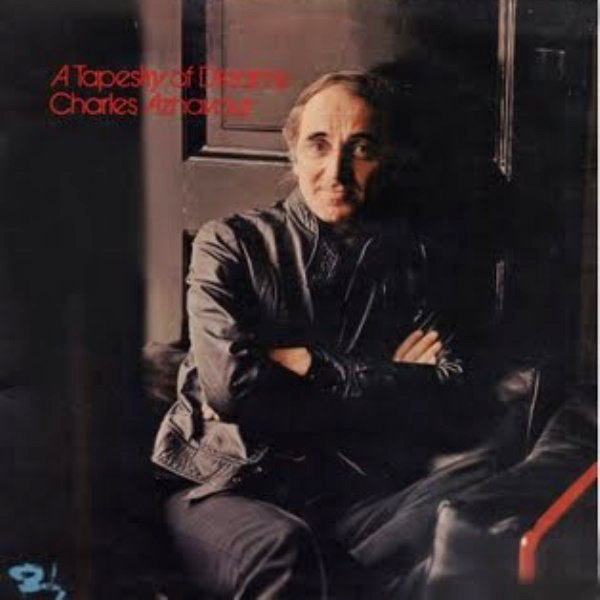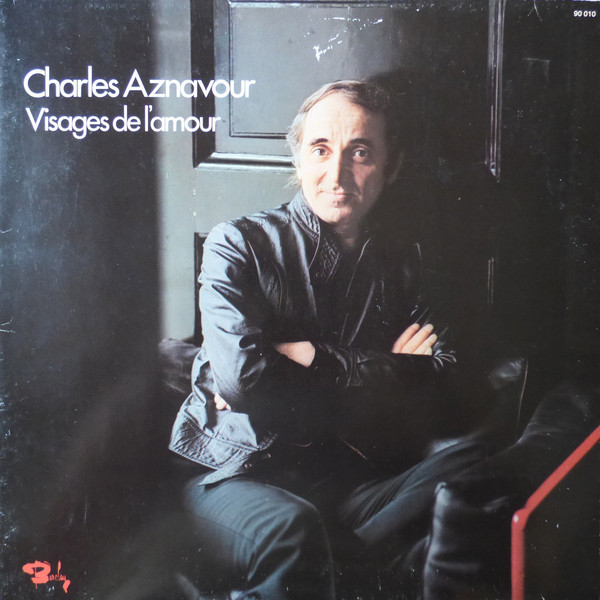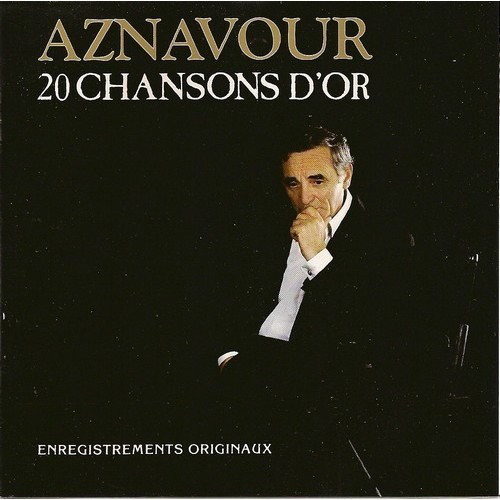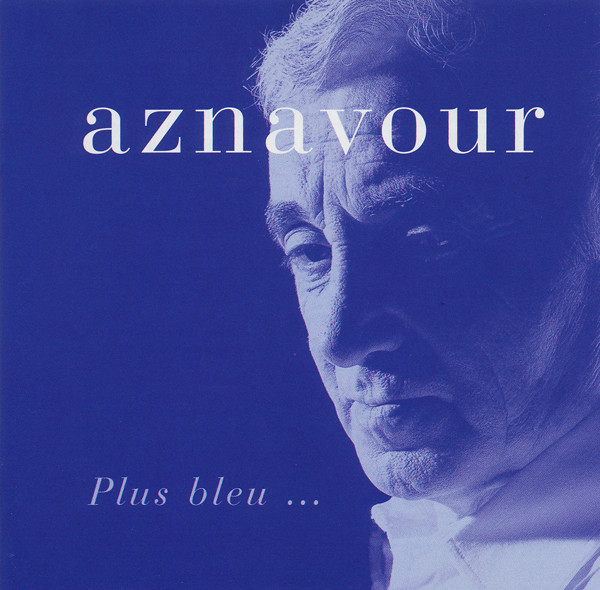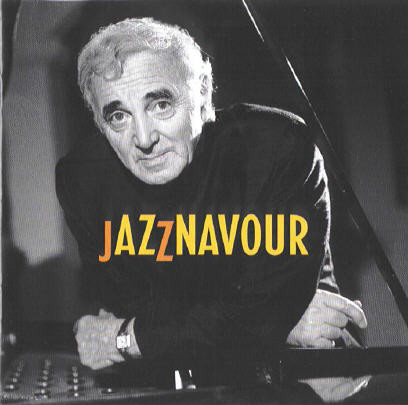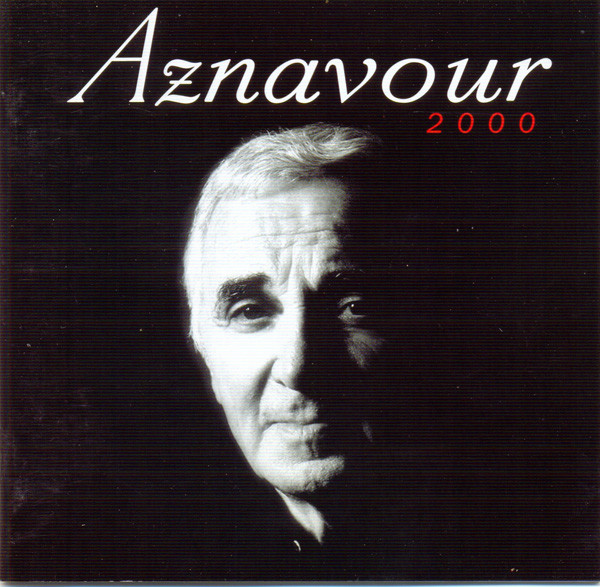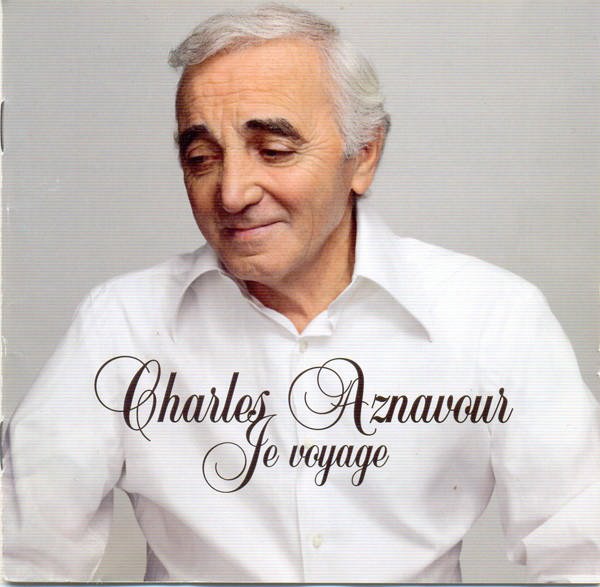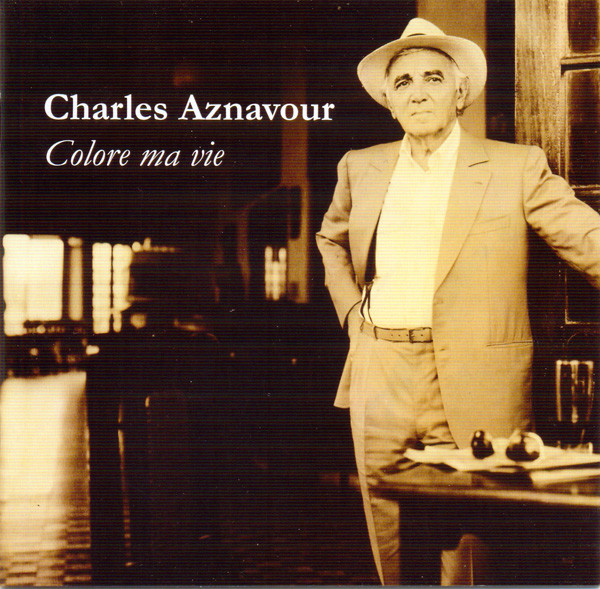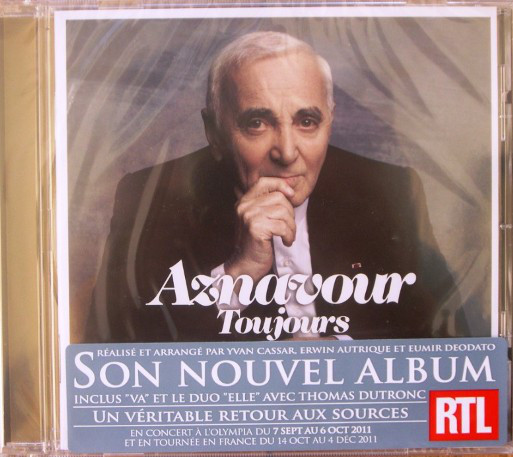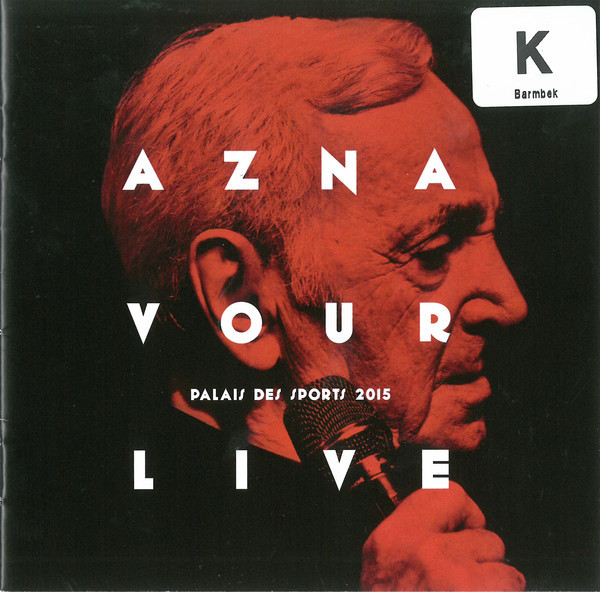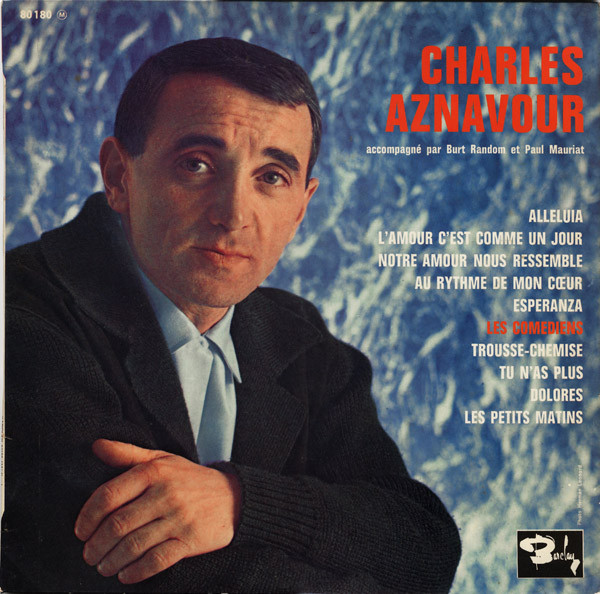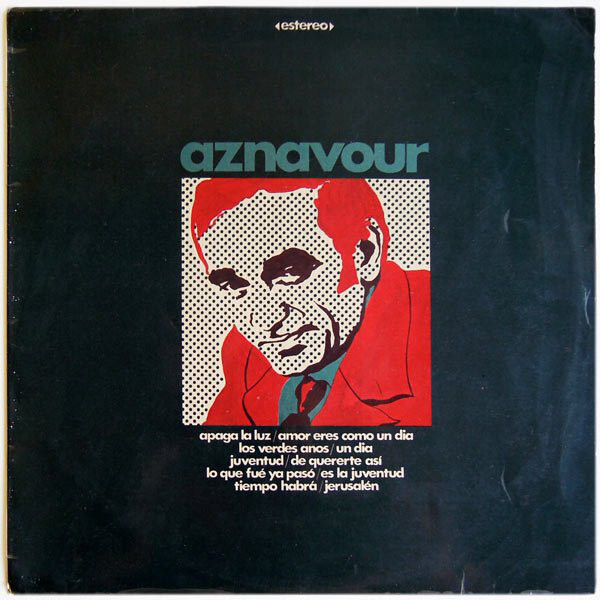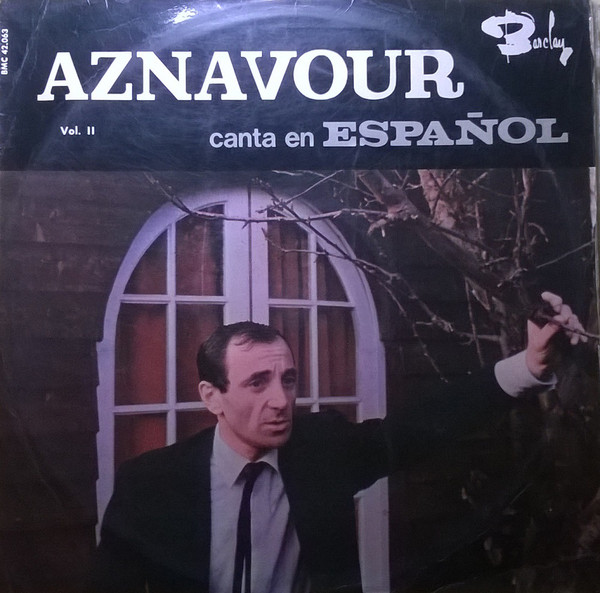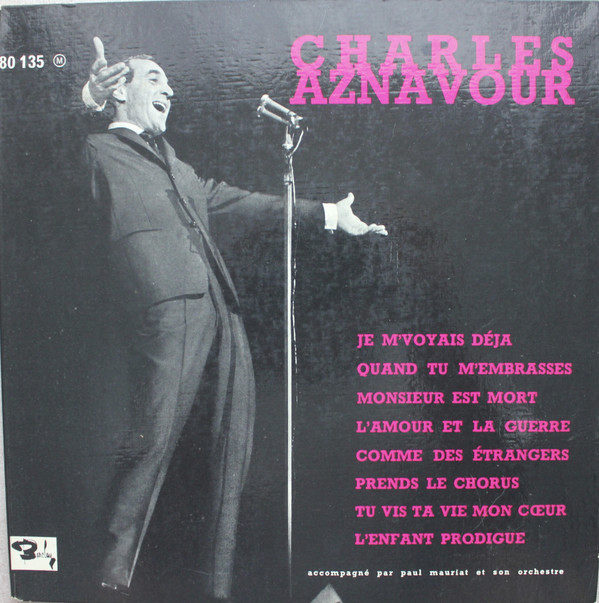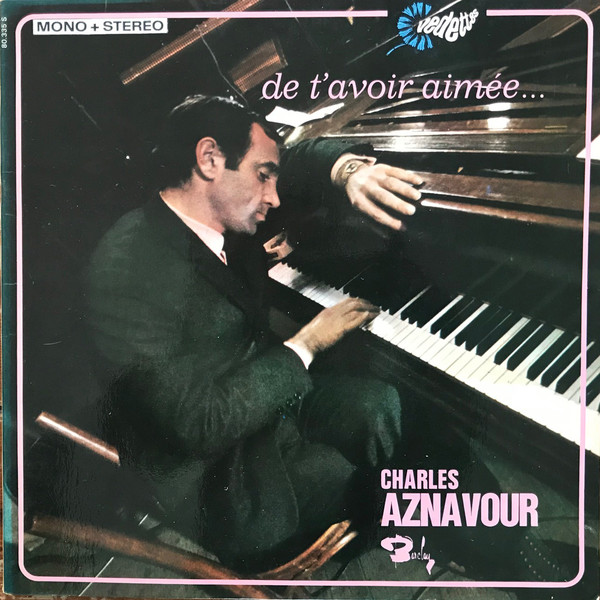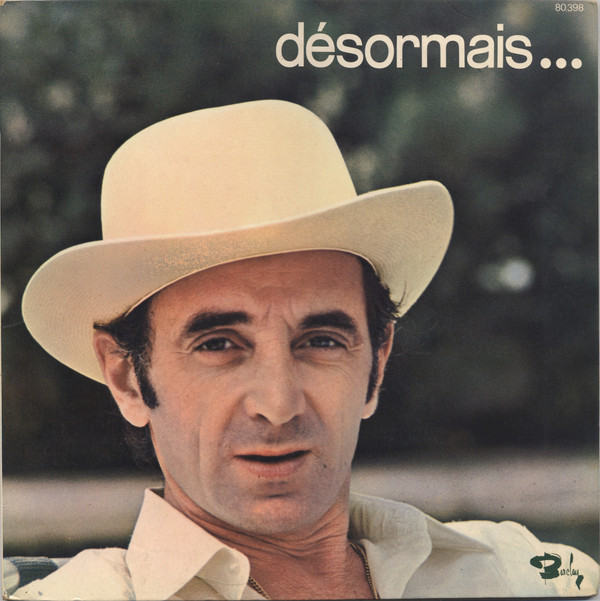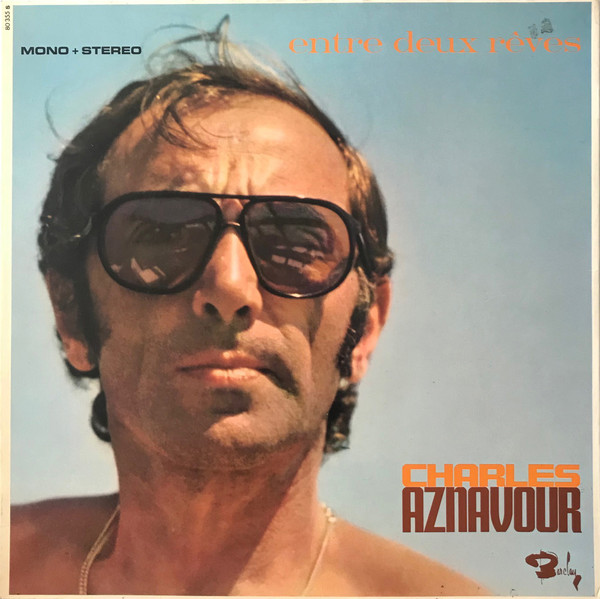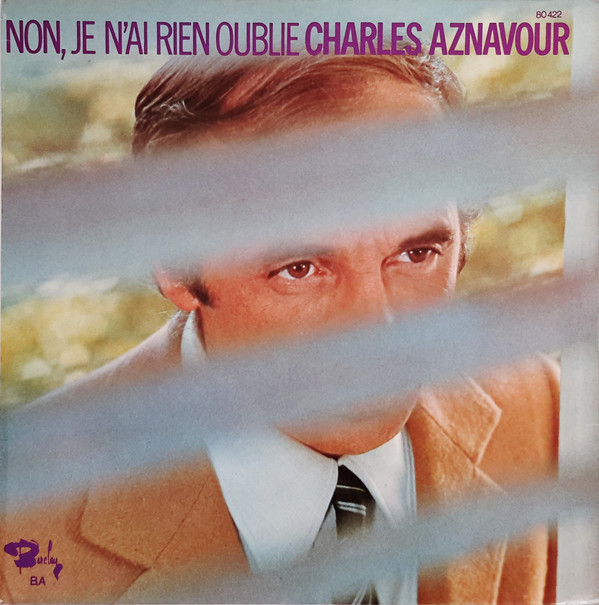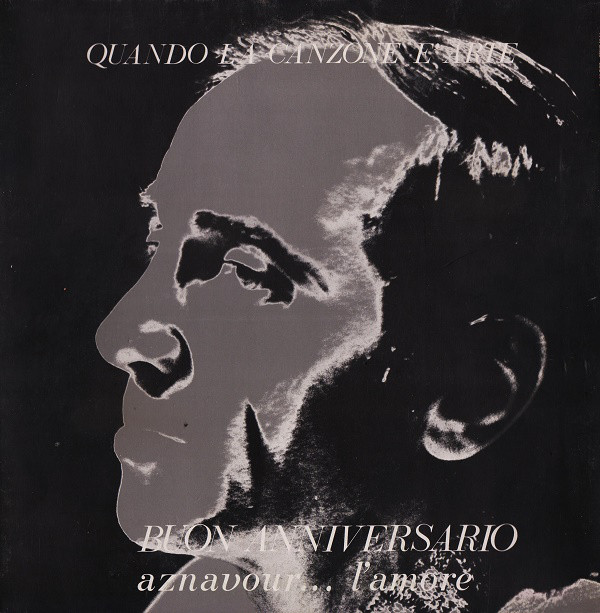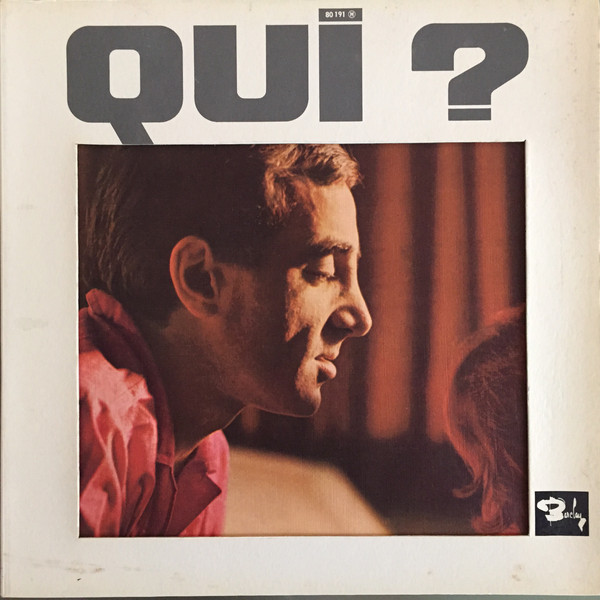
I always had an Ampex cassette in my Alfa Spider with the best of Charles Aznavour. The car was only "taken out" in the summer, usually in France. For me, Aznavour means holiday, which adds a cheerful note to all his music. I don't understand the words but sing along loudly (when no one is listening). I recorded the tape from an LP I had given to my girlfriend's mother for her birthday (first recorded and then given).
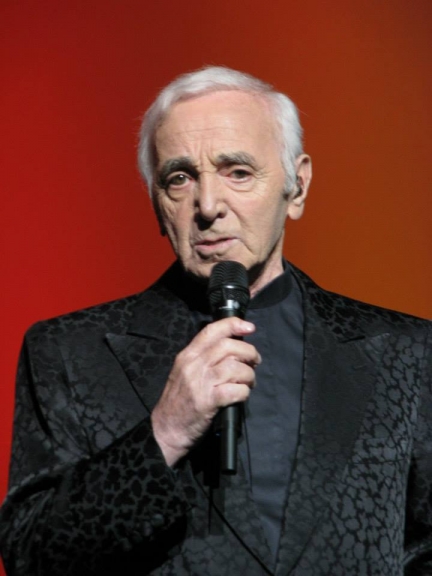
A wish to see Aznavour perform live came true on 4 December 2016. Even before he sang a note, he received a standing ovation, and rightly so! At 92 years old, he had the energy of a man of, let's say, 65. He was a little short in the low and high parts, but that did not spoil the fun. There was interaction with the audience and occasionally Aznavour made some dance moves. A concert never to be forgotten.
Matthijs van Nieuwkerk considers Aznavour "the best singer who ever lived." For me, that remains Frank Sinatra, but Aznavour certainly earns a place in the top 5.
Charles Aznavour
Charles Aznavour, pseudonym of Chahnour Varinag (Paris, 22 May 1924 – Mouriès, 1 October 2018), was a French singer, songwriter and actor of Armenian descent.
Aznavour was born the son of Micha Aznavourian, an Armenian born in Georgia, and Knar Baghdassarian, an Armenian raised in Smyrna (now İzmir). His parents were staying in Paris en route to the United States while awaiting a visa, but settled in the city after his birth. His father performed as a singer in restaurants and later opened a Caucasian restaurant himself.
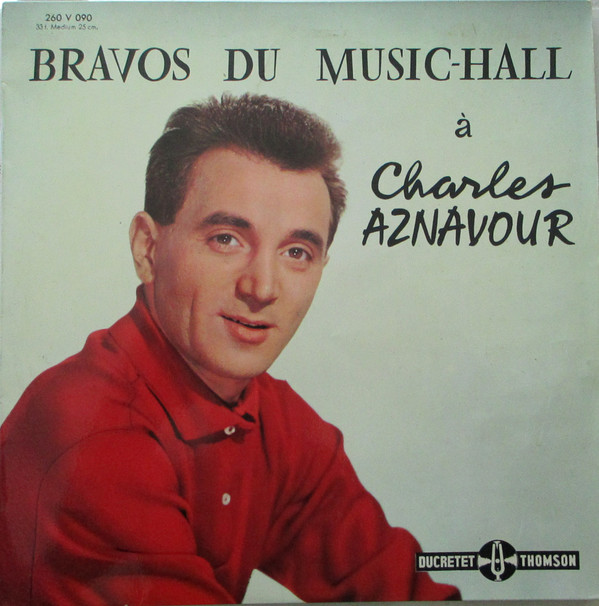
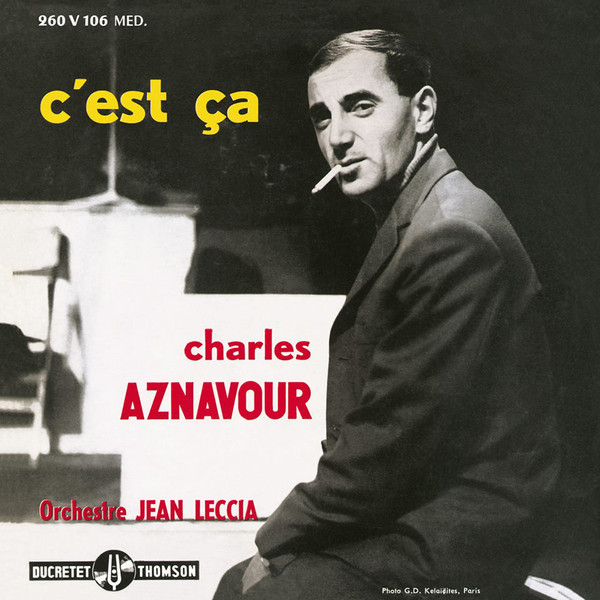
Aznavour is one of the best-known French singers. Over the course of his career, 180 million records have been sold. He performed at Carnegie Hall and other major venues worldwide. He is often described as the 'Frank Sinatra of France'. He released more than a hundred albums and appeared in sixty films. He wrote over a thousand songs and musicals, often composing the music himself. Almost all his songs are about love.
His big breakthrough came when the singer Édith Piaf heard him sing and took him on tour through France and the US. After that, the journey went to Quebec, where great success awaited him: he was allowed to play in several clubs for forty weeks, with eleven shows per week.
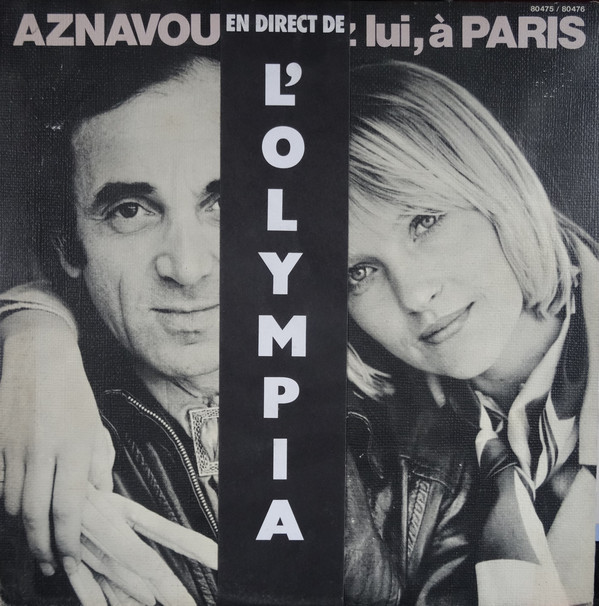
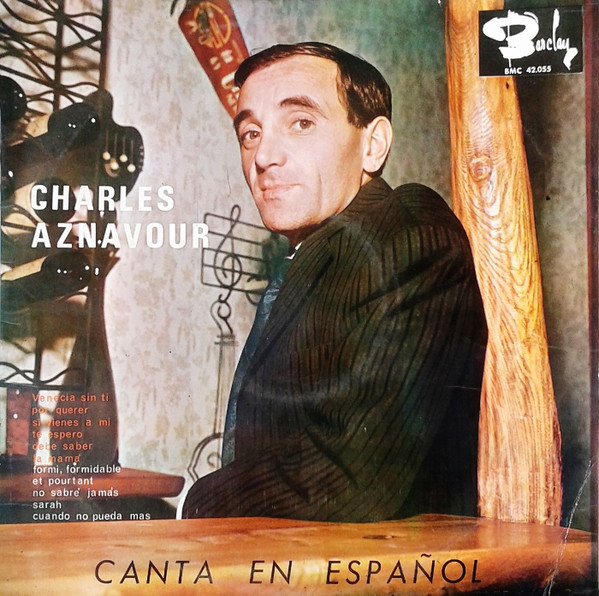
In the mid-1950s, Aznavour gave his first own shows at the famous l’Olympia theatre in Paris. This brought him a breakthrough to the general public. All of France embraced him. The triumph continued in other countries. Aznavour, also called the French Sinatra, achieved worldwide success with self-written chansons such as 'Et Pourtant', 'Que C’est Triste Venise', 'Mes Emmerdes', 'Les Plaisirs Demodes' (The Old Fashioned Way) and 'Tout Les Visages De l’Amour' (She). During his career, he composed more than 1000 chansons, mostly in French but also in English, Italian, Spanish, German and Armenian. Aznavour shared the stage with greats such as Liza Minnelli, Dean Martin and Frank Sinatra.
“Life has to be lived, I can relax eternally when I'm dead,” said Charles Aznavour. Charles Aznavour died in his sleep during a tour on 1 October 2018 at the age of 94 from heart and lung failure due to acute pulmonary oedema.
Sunday Morning Classic: Charles Aznavour
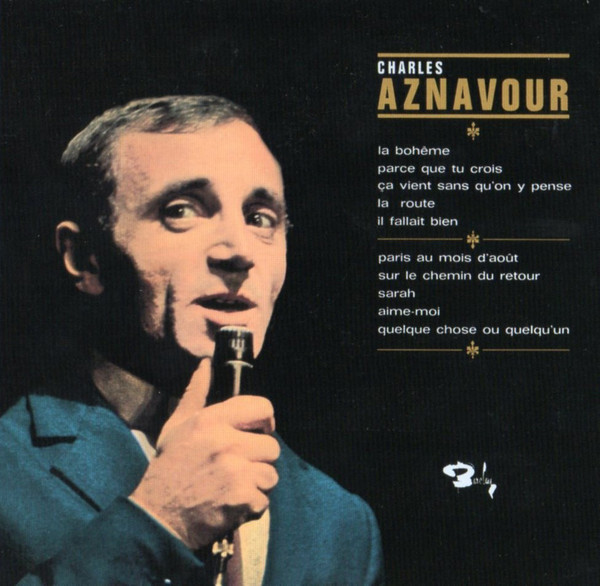
On 31 October 2021, the album Charles Aznavour (3) was on our turntable as Sunday Morning Classic.
This album features the beautiful "La bohème". The song tells the story of a painter who nostalgically recalls his youth in Montmartre. A text by Jacques Plante was set to music by Aznavour. Originally, La bohème was to be sung by Georges Guétary in the operetta Monsieur Carnaval. However, Aznavour recorded the song for the operetta's performance. This led to a quarrel between the two singers and their record companies, which was amicably resolved thanks to the intervention of Frédéric Dard, helped by the success of the record sales of both artists.
Aznavour scored an international hit with La bohème. The song reached number 1 in the French charts and the top 10 in the charts of Argentina and Brazil, among others. Aznavour subsequently released English, German, Italian, Spanish and Portuguese versions.
Translation La Boheme
I will tell you of a time
That teenagers
Cannot know.
In those days Montmartre hung
The buckets of lilacs
Right under our windows
And when the simple furnished room
That was our nest
Had no money,
It was where we met
I who suffered hunger
And you who posed naked.
La bohème, the artist's world
That meant: We are happy
La bohème, la bohème,
We then ate only every other day.
In the neighbouring cafés
We were a number
Who expected fame
And though we were poor,
With empty stomachs,
We kept believing.
And when a bistro
In exchange for a good warm meal
Took a painting from us,
We recited verses,
Gathered around the stove
And forgot the winter.
La bohème, la bohème,
That meant ‘you are beautiful’,
La bohème, la bohème,
And we all had genius.
Often it happened
That I spent sleepless nights
Before my easel,
While I worked on my drawing
Of the line of a breast,
Of the curve of a hip,
And only in the morning
Did we finally sit down
For a cup of coffee,
Exhausted but elated.
How much we must have loved each other then
And loved life.
La bohème, la bohème,
That meant: we are twenty,
La bohème, la bohème,
And we lived on the wind.
When I now happen to take
A walk
To my old residence,
I recognise nothing anymore,
Neither the walls, nor the streets
That witnessed my youth,
At the top of a staircase
I look for the studio,
Where nothing remains.
In that new ambience
Montmartre looks sad
And the lilacs are dead.
La bohème, la bohème,
We were young, we were foolish,
La bohème, la bohème,
It means nothing at all anymore.
Photo: Mariusz Kubik