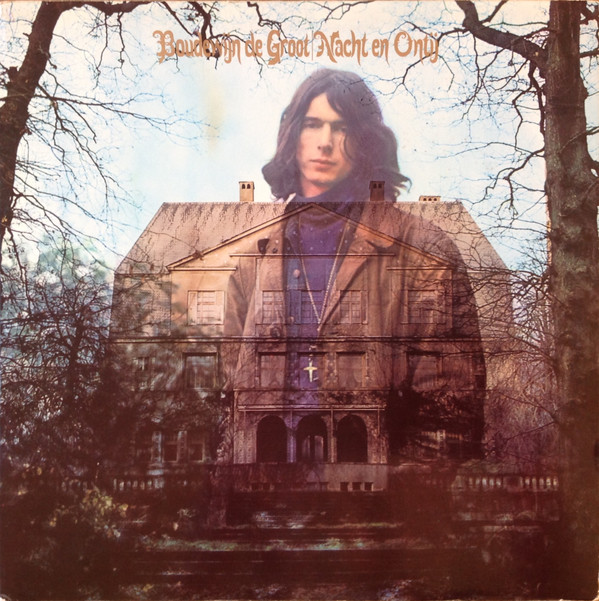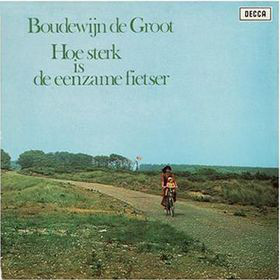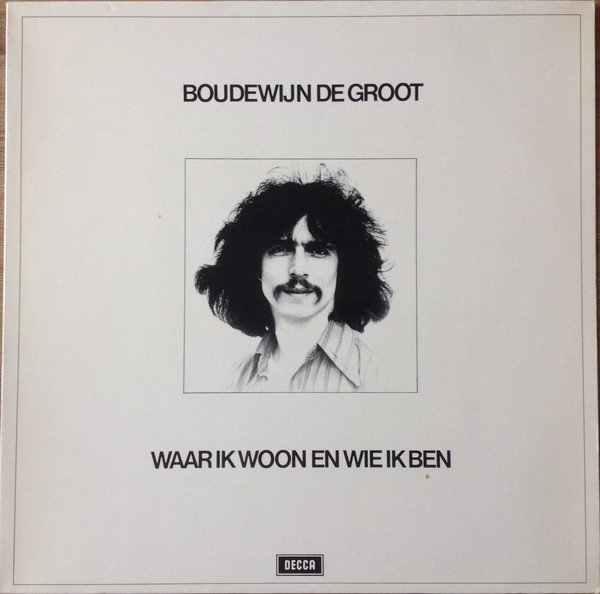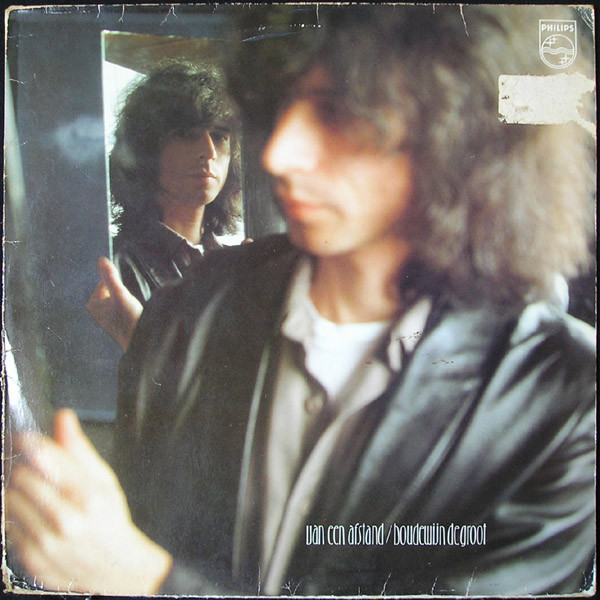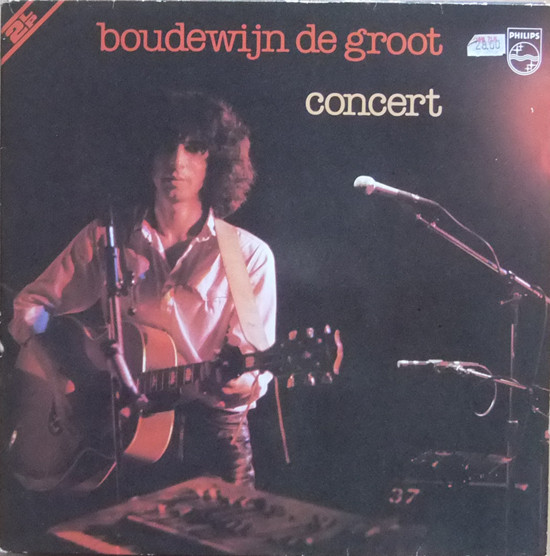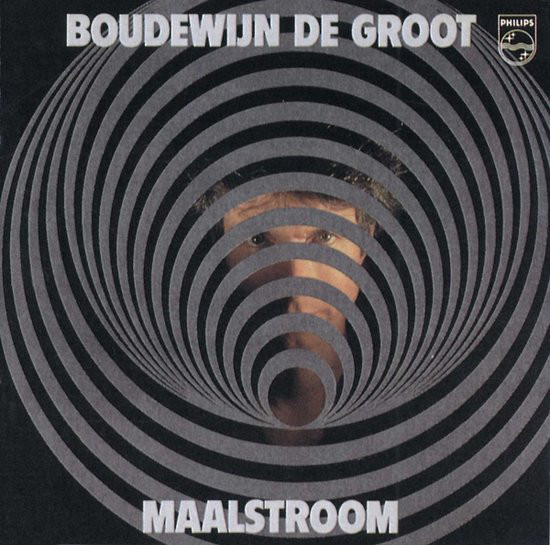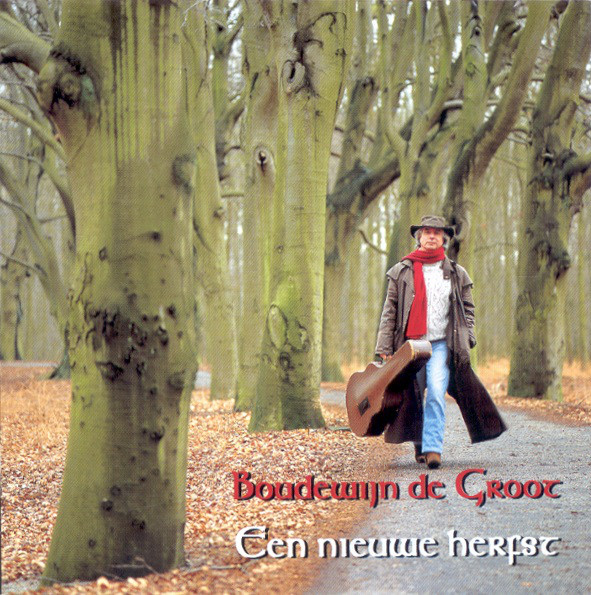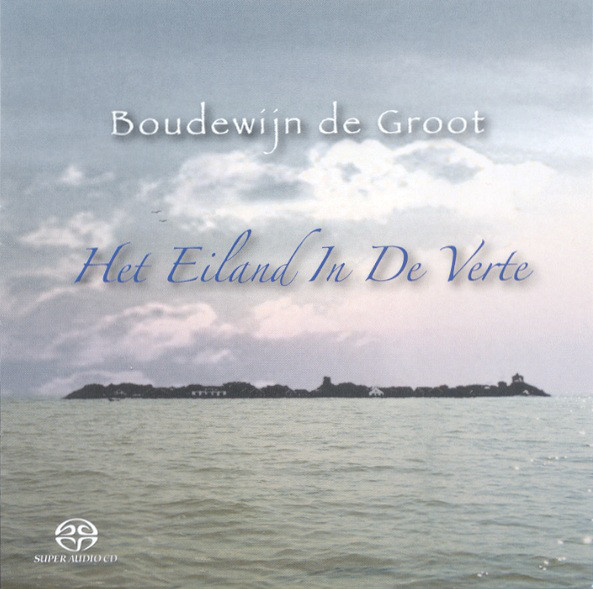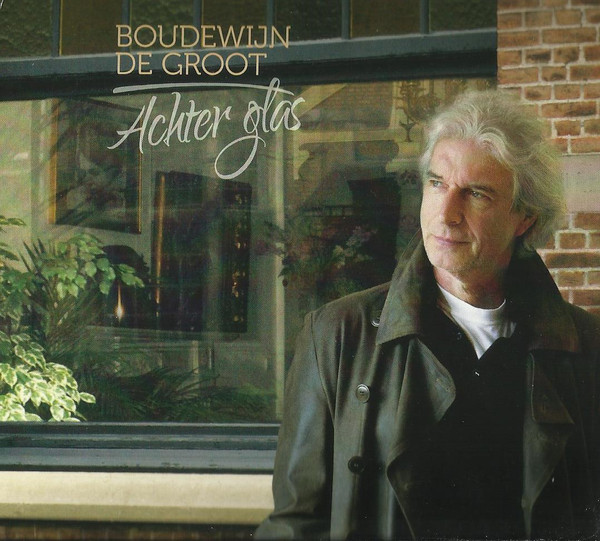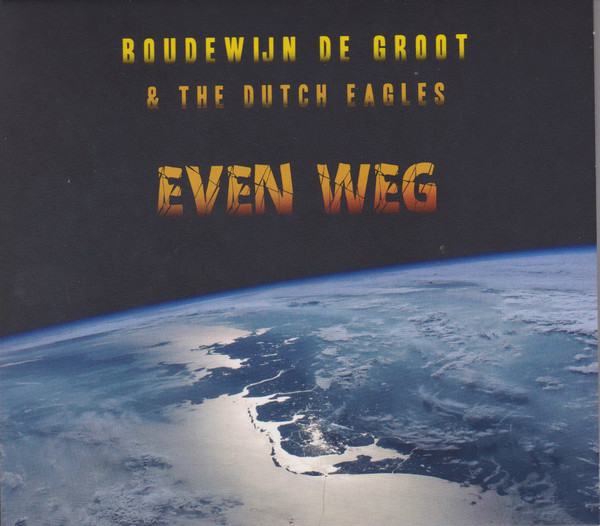
I think that of all Dutch singers, I love Boudewijn de Groot the most. From a young age, I have been singing his songs loudly and even today I still do. During my stag party, my wife and I were "kidnapped" to a studio where we recorded the song "Avond" together. Call it a collector's item because you won't find it anywhere outside De Platenbar.
I was lucky enough to see Boudewijn de Groot live a few times. Since 2020, that has no longer been possible because Boudewijn has decided to call it quits.
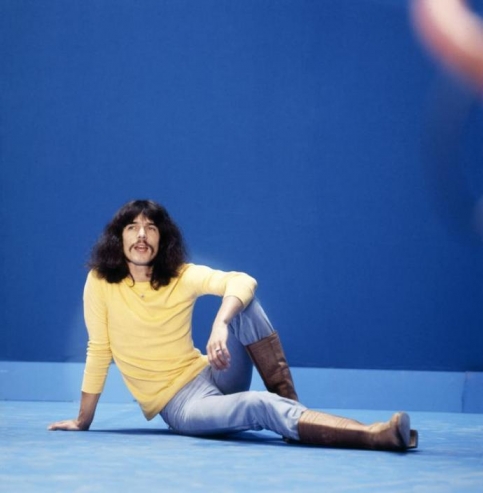
Boudewijn de Groot
Frank Boudewijn de Groot (Batavia, 20 May 1944) is a Dutch singer, songwriter, music producer and actor.
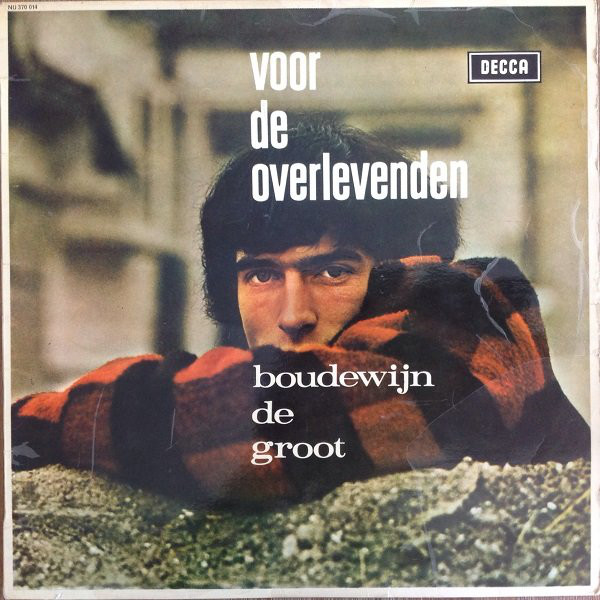
In 1966, Boudewijn de Groot's follow-up album, Voor de overlevenden, was released as an LP and photo book. Besides De Groot, Nijgh and Vos, arranger Bert Paige was also added to the team. On the record, Lennaert Nijgh wrote about his youth years, with songs like Voor de overlevenden, Testament and Verdronken vlinder, and he wrote a cycle of love songs for a certain Joke. The LP was awarded gold and platinum status and won an Edison award.
The first single released was Ken je dat land, which followed the line of earlier protest singles. However, the single did not reach the charts. The second single was the carnival-esque Het Land van Maas en Waal, which in 1967 became De Groot's first, and so far only, number 1 hit. The song was also released in England under the name The Land At Rainbow's End (with Baldwin the Great as the artist name), where a few hundred copies were sold. After this, Decca released a single of the song Onder ons, which was not included on the album.
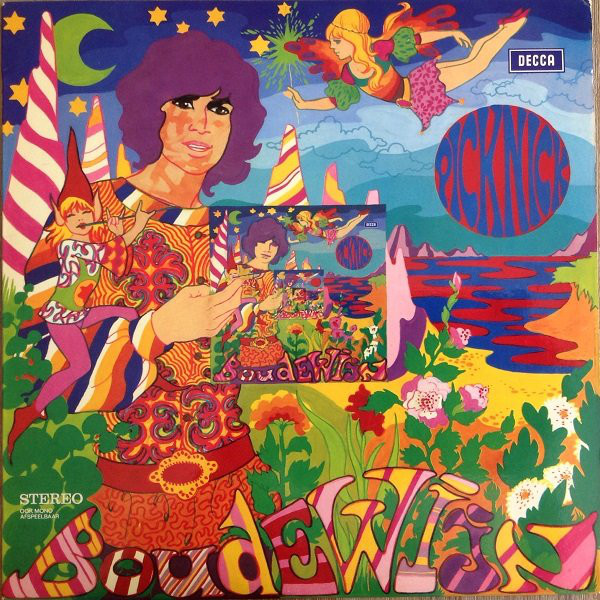
Influenced by Sgt. Pepper's Lonely Hearts Club Band by The Beatles, Nijgh and De Groot wanted to make the ultimate hippie album. The result was Picknick, which experimented with psychedelic lyrics and music. The album was enthusiastically received and again awarded an Edison, as well as a gold record.
The first single released was the title track Picknick, followed by the duet Prikkebeen, which De Groot recorded with Elly Nieman. This song reached ninth place in the Top 40 in early 1968. Then followed the single Waterdrager, a new song not on the album, accompanied by the B-side Als de rook om je hoofd is verdwenen.
Meanwhile, De Groot and Nijgh increasingly began writing for other artists, including Adèle Bloemendaal and Liesbeth List.
Boudewijn de Groot has called it quits and last week appeared on television singing for the last time. The 75-year-old Boudewijn de Groot was a guest on Matthijs van Nieuwkerk's show. The singer performed on De Wereld Draait Door with the temporary formation Vreemde Kostgangers, which he forms with Henny Vrienten and George Kooymans. Before the performance, he explained his reason for stopping: "As I get older, it becomes increasingly difficult for me. The stress grows bigger leading up to tours and I get sleepless nights. For the first time in 50 years, I suffer from nerves. I never had that before."
Sunday Morning Classics: Voor de Overlevenden
On 9 February 2020, the album "Voor de Overlevenden" was on our turntable during Sunday Morning Classics.
Boudewijn de Groot wrote the music; Lennaert Nijgh the lyrics. This style is called kleinkunst (small art). The musical means were sparse, with the focus on the lyrics. Some songs are romantic or humorous, but there is also an important element of social criticism, aimed against conformity, war and capitalism.
If there is an album of Dutch songs that deserves classic status, it is this one.
Source: Jan Liebregts and Wikipedia Photos: Harry Pot and Filip Naudts
http://www.boudewijndegroot.nl/