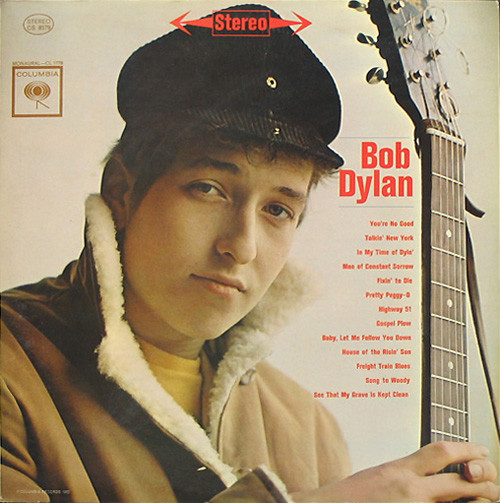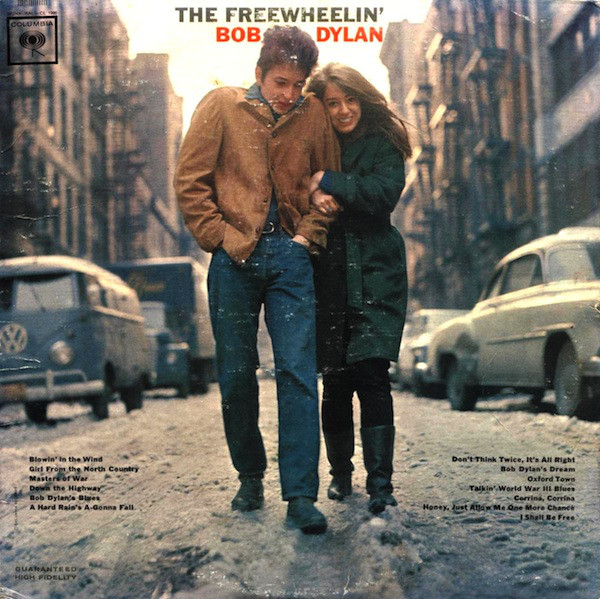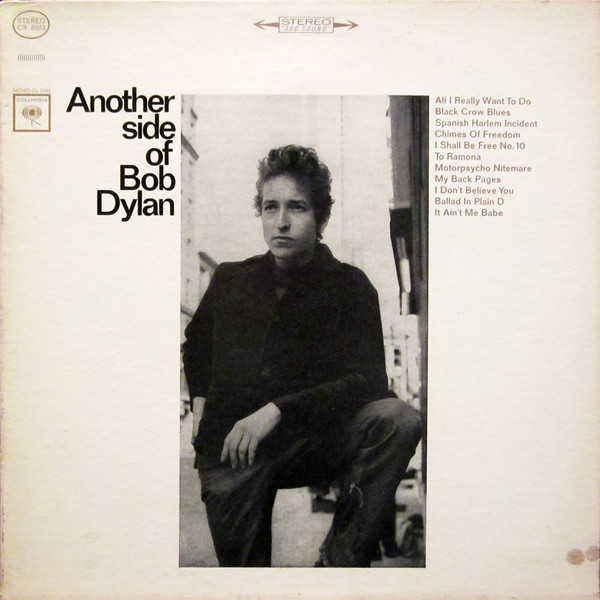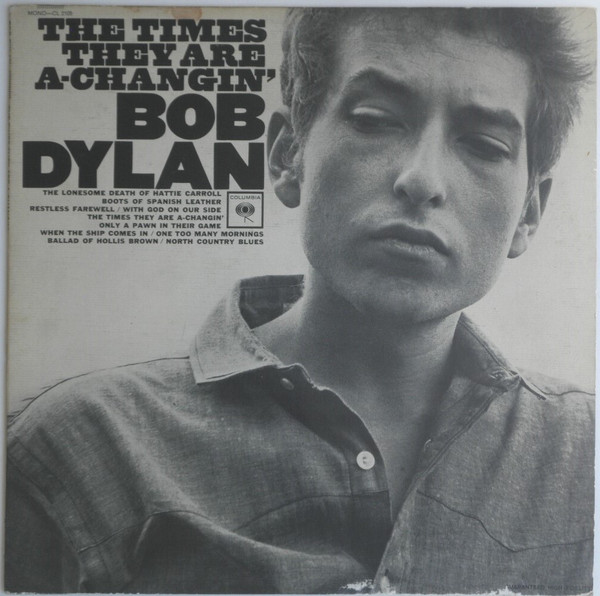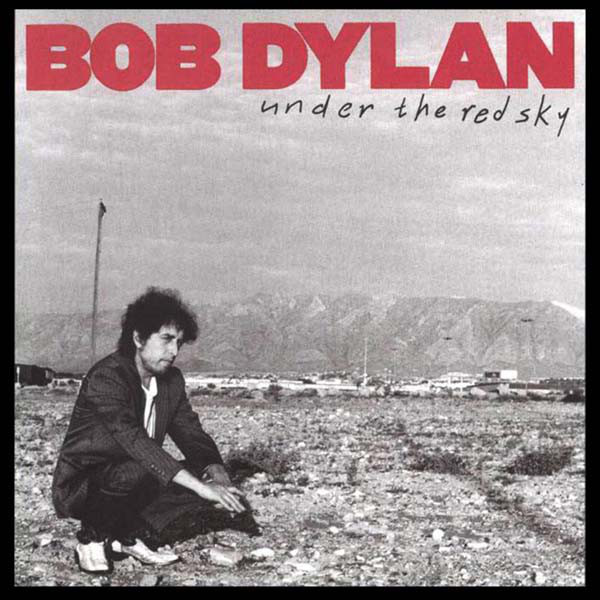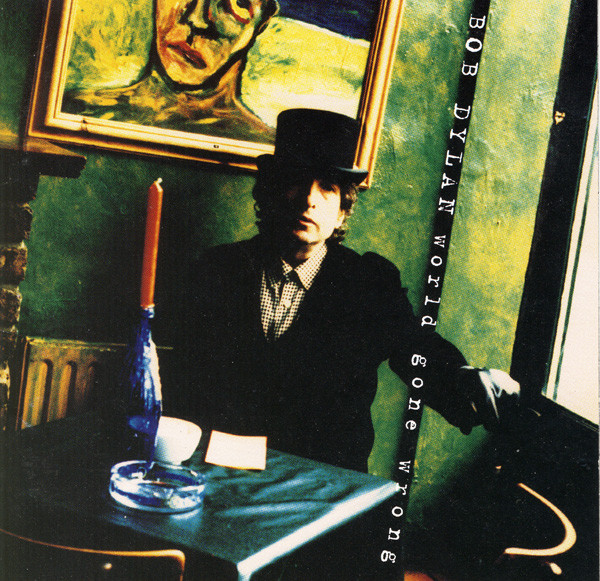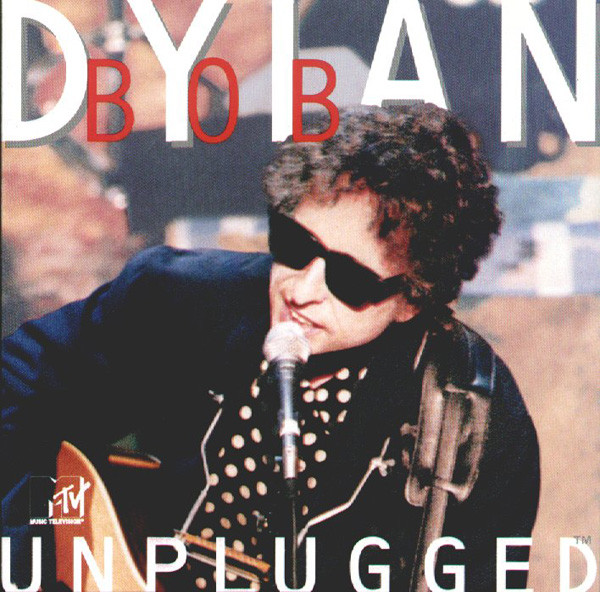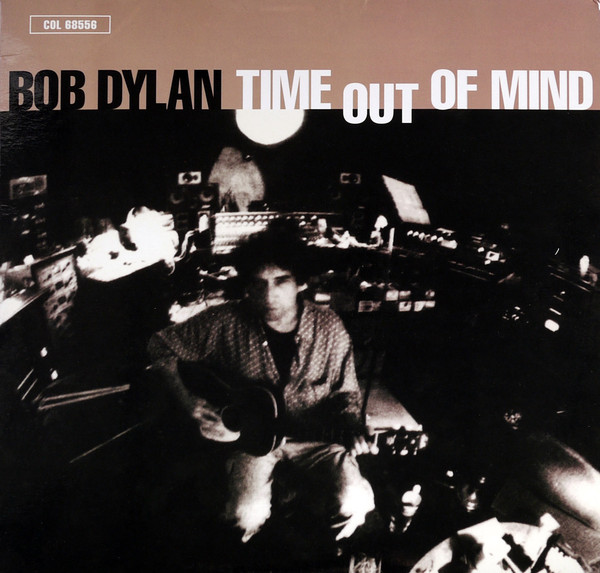
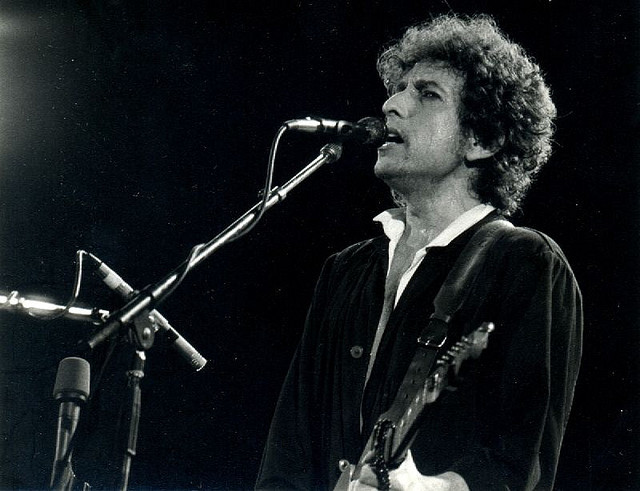
Bob Dylan was born in 1941 as Robert Allen Zimmerman. In his childhood, he already wrote poems and taught himself to play guitar and piano. In his teenage years, he played in several bands, but during his student days, he preferred to perform solo.
Cool
He played in small clubs in Minnesota and often thought about a trek across America, following in the footsteps of the singer and drifter from the 1930s, Woody Guthrie. He adopted the stage name Bob Dylan because he thought it sounded 'cool' (the singer is a fan of the poet Dylan Thomas, but he says it has nothing to do with that).
Singing
In 1961, he decided to pursue a career as a singer and dropped out of school. He moved to New York and performed frequently in Greenwich Village. Here, he slowly gained recognition. He also regularly visited Woody Guthrie, who was in hospital with the so-called 'dancing disease'. He played songs for Guthrie and also wrote the song 'Song To Woody' for him. In March '62, Dylan's first album was released, featuring 'Song To Woody'. The album was successful, and Dylan began feverishly writing his second album. The Freewheelin' Bob Dylan mainly contains political protest songs and was an unprecedented success. Dylan seemed to have created a masterpiece at the very start of his career.
Accident
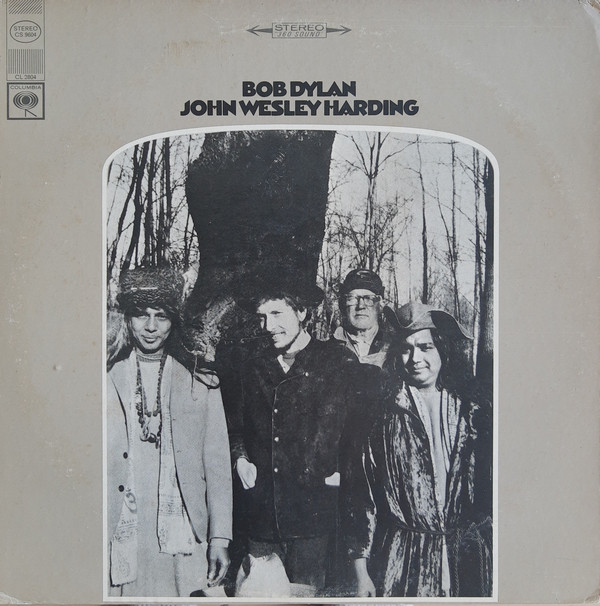
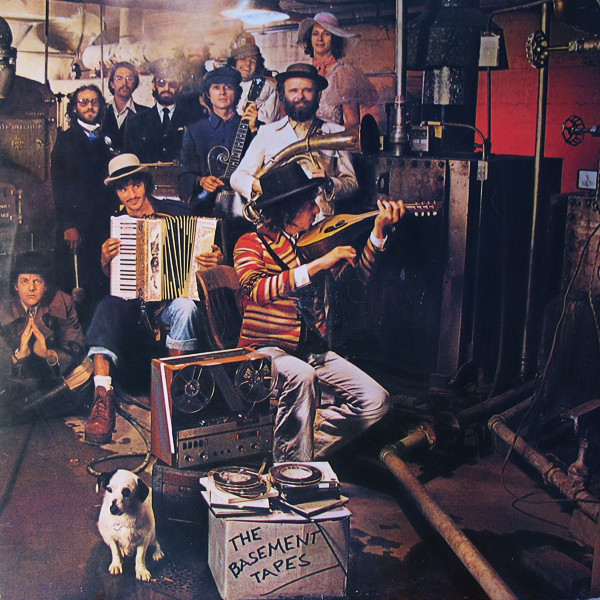
His success continued to grow until he broke his neck in a motorcycle accident in 1966. He retreated to his home in Woodstock to recover and be with his now established family. After a few months, his backing band The Hawks joined him in Woodstock. Together, they worked on songs for a new album, John Wesley Harding, which had a country tint. Dylan wrote more and more country songs, and some of his fans dropped off. Nevertheless, he kept making music. For the film Pat Garrett and Billy The Kid from 1973, in which he also played a role, he made the classic 'Knockin' On Heaven's Door'; the song later became a hit again thanks to Guns N' Roses.
Breakup
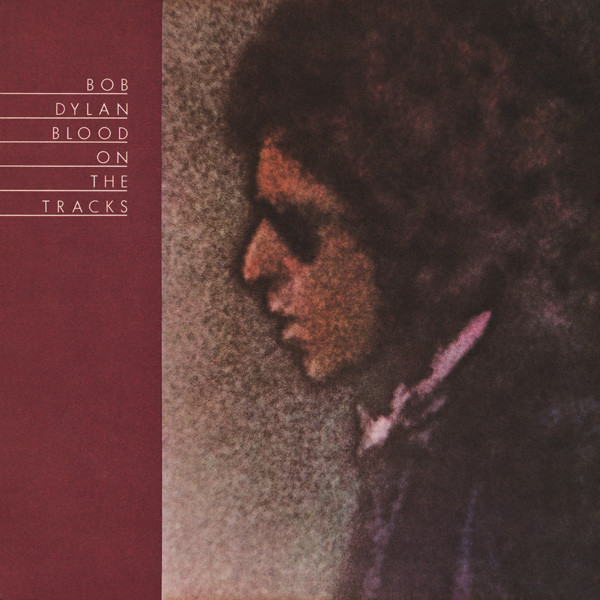
Just before his 1974 tour, his wife Sara announced she wanted a divorce. On the album Blood On The Tracks, which followed the next year, you can clearly hear what Dylan was going through at that time. The album shot to number 1, and Dylan went on tour again. Dylan liked the ideal image of Woody Guthrie's travels, as he was on the road a lot with his band throughout his career. He converted to Christianity in 1979 and released several religious pop albums until 1983, but with little success. However, with his album Infidels, he made a strong comeback. Another tour followed (together with Tom Petty & The Heartbreakers), which was in turn followed by a tour with The Grateful Dead. And, as boring as it may sound, that tour was again followed by another tour in 1988. This last one was called 'The Never-Ending Tour' and lasted until the late 1990s.
Masterful
In 1988, Dylan also joined The Traveling Wilburys. This supergroup consisted of George Harrison, Roy Orbison, Jeff Lynne, Tom Petty, and Dylan himself. 'Handle With Care' was the title of their only hit. Dylan came up with it when he saw a moving box in his garage with that text on it. Dylan released several albums in the 90s, including an MTV Unplugged album. In 2001, he also won an Oscar for the song 'Things Have Changed' from the film Wonderboys. Dylan is still regarded by many as the master of lyrics. In 2009, a Christmas CD called Christmas in the Heart was released.
Top 2000
Bob Dylan has no fewer than 7 songs in the Top 2000 (from 2020). His highest-ranked song is Hurricane
Sunday Morning Classics: Blonde on Blonde
On 1 August 2021, Dylan was our guest as Sunday Morning Classic with his seventh album “Blonde on Blonde” from 1966.
Blonde on Blonde, the most mysterious, majestic, and seductive of all Bob Dylan's albums – not to mention the best. Quickly recorded with Nashville session musicians accustomed to playing country hits. Blonde on Blonde has a slick studio quality that makes it sound completely different from his other albums, with sparkling piano flourishes. But the glossy surface only makes the songs more gripping.
Blonde on Blonde, released on 16 May 1966, remains the pinnacle of Dylan's genius – he never sounded lonelier than on 'Visions of Johanna', funnier than on 'I Want You', more desperate than on 'Stuck Inside of Mobile With the Memphis Blues Again.' It is his most expansive music, with nothing resembling a folk song – only the rock & roll laments of a disappearing American, the doomed outsider who has given up ever belonging anywhere.
"I consider myself nowhere," Dylan said when the album was released. "I just consider myself not nearby."
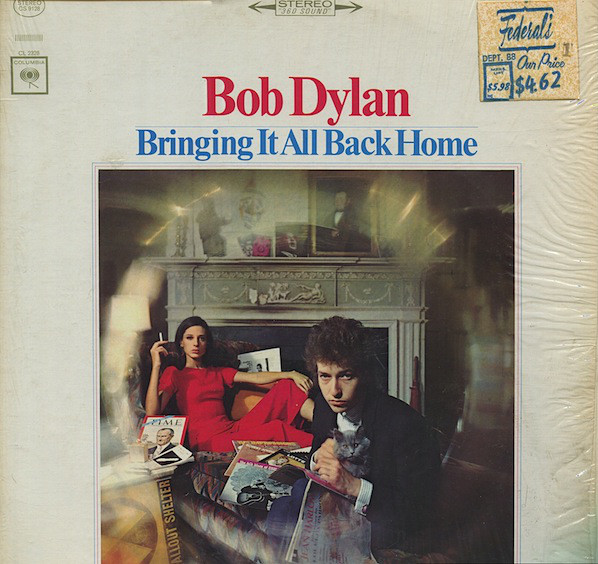
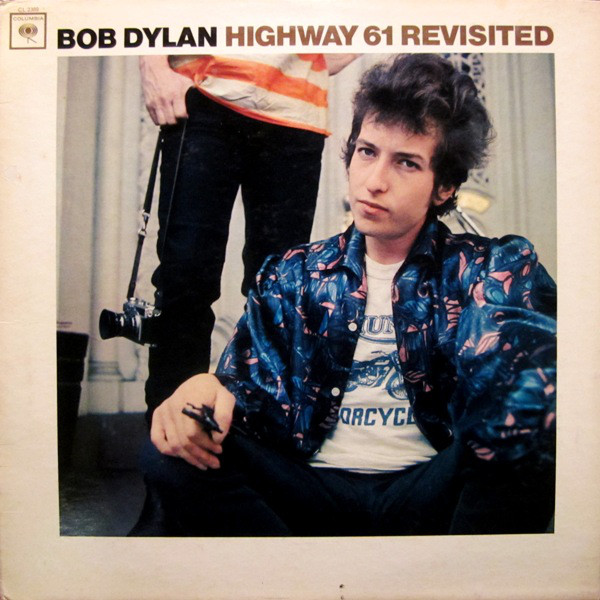
Blonde on Blonde is full of lonely nocturnal fear, blues hallucinations, and his humour. At that time still only 24, writing songs and touring the world at a mad pace. Dylan was on a historic roll and dropped this double vinyl epic just 14 months after he went electric with Bringing It All Back Home in March 1965 and Highway 61 Revisited in August. He moved too fast to keep up, and he wrote masterpieces faster than he could release them. Yet Blonde on Blonde still feels like it came out of nowhere, with a sound he never tried again, and neither Dylan nor the rest of the world ever fully figured out how it happened. As organist Al Kooper put it: "No one has ever captured the sound of 3 a.m. better than that album. No one, not even Sinatra, does it so well."
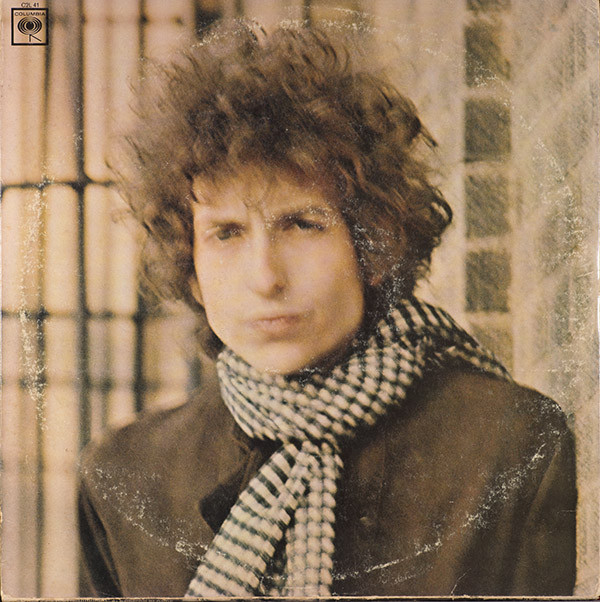
The cover photo was taken by Dylan's friend Jerry Schatzberg and shows Dylan in a suede jacket and a scarf. The most remarkable thing is that it is not a sharp but a blurred photo, actually a failed one. According to Schatzberg himself, it was very cold outside when the photo was taken, and both the singer and the photographer were shivering from the cold. Pop journalist Jon Dolan is not convinced that the cover photo came about so coincidentally but does believe the photo symbolises Dylan's great creative development during this period: he moves too fast to be captured sharply. If you want to argue that Blonde on Blonde is not as perfect as Highway 61 Revisited or Bringing It All Back Home, you might have a point. But it is, in any case, his best album, creating a lasting 68-minute spell unlike any other listening experience in rock & roll.
Source: Jan Liebregts, NPO and Wikipedia and some other found sites
Photo: Xavier Badosa
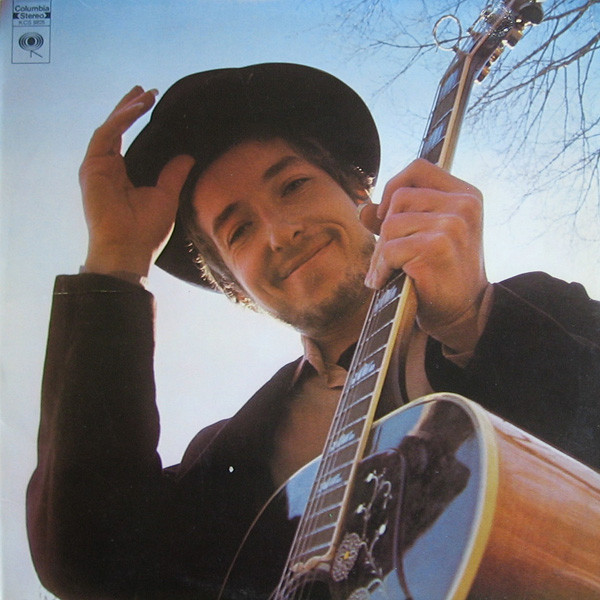
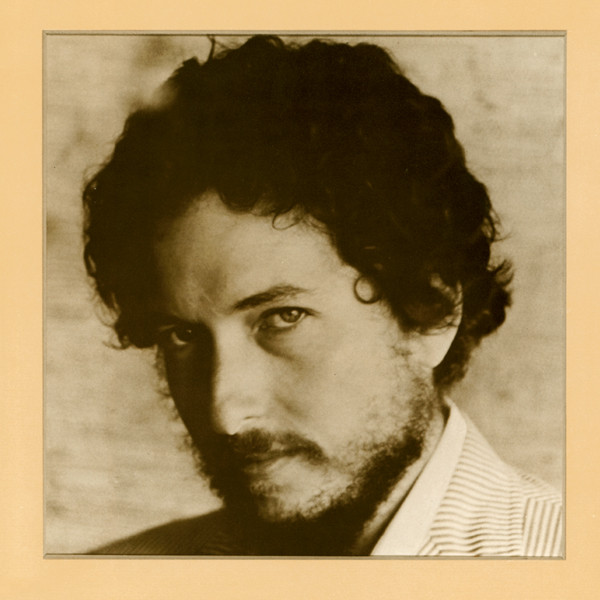
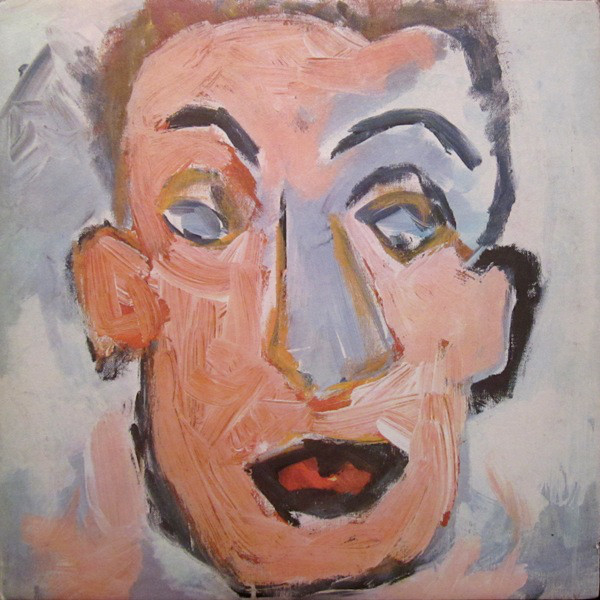
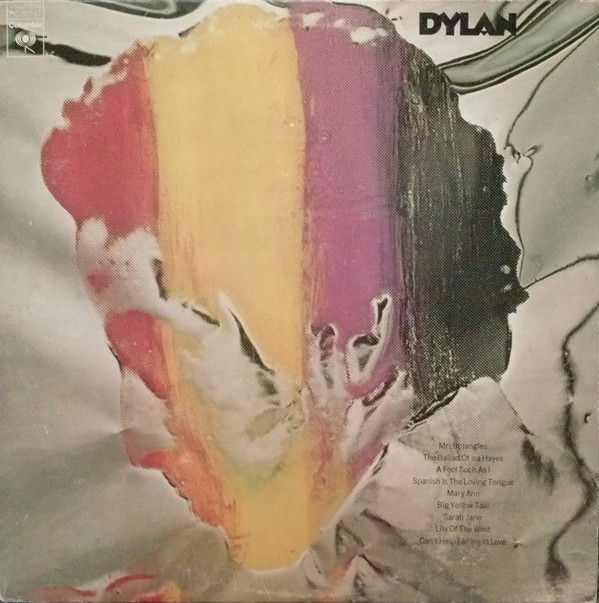
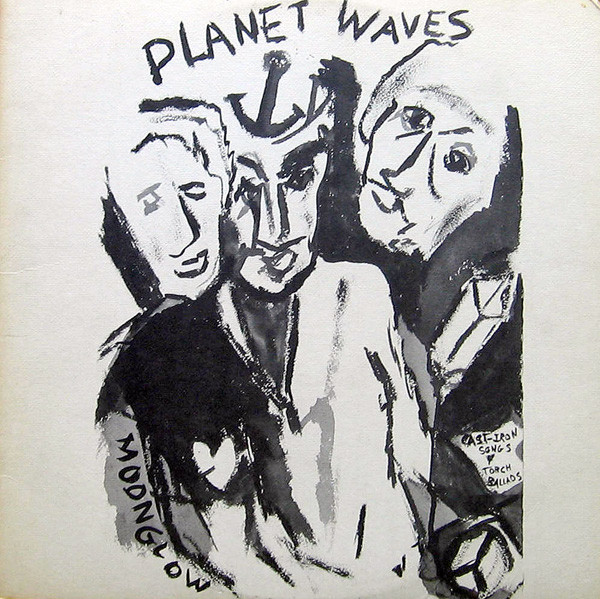
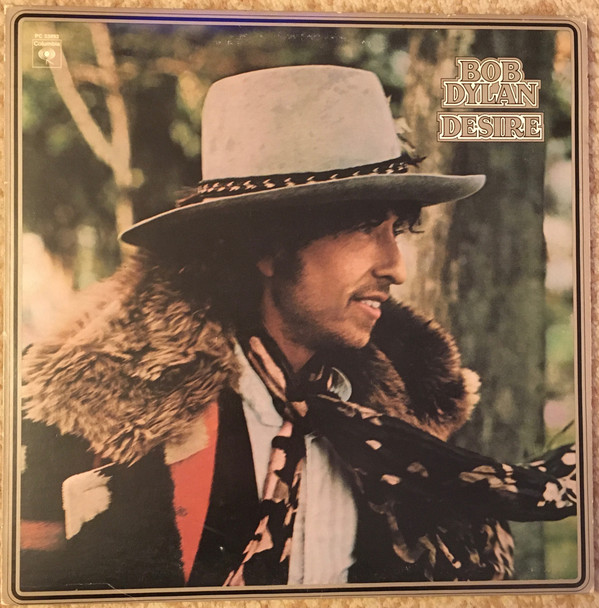
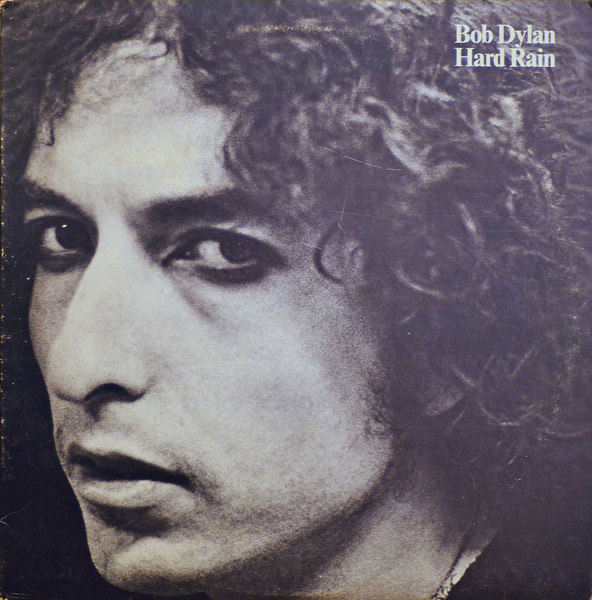
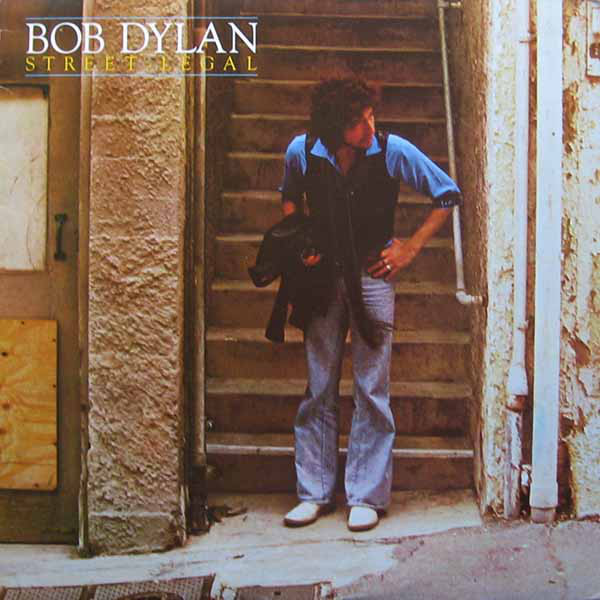
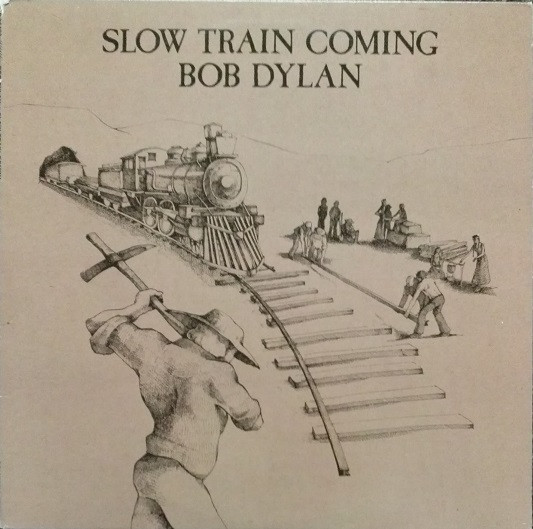
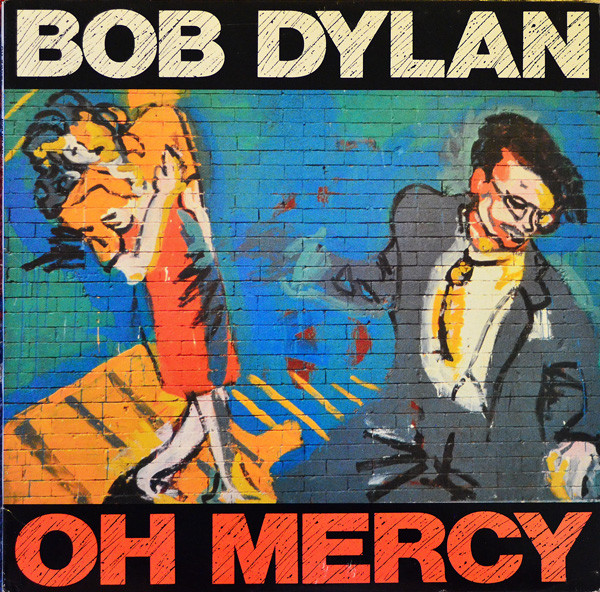
Below you will find a selection of the albums Bob Dylan has released.